"*" indicates required fields
Your First Line of Defense
Our Filter Exchange Program is Easy & Gives You Peace of Mind
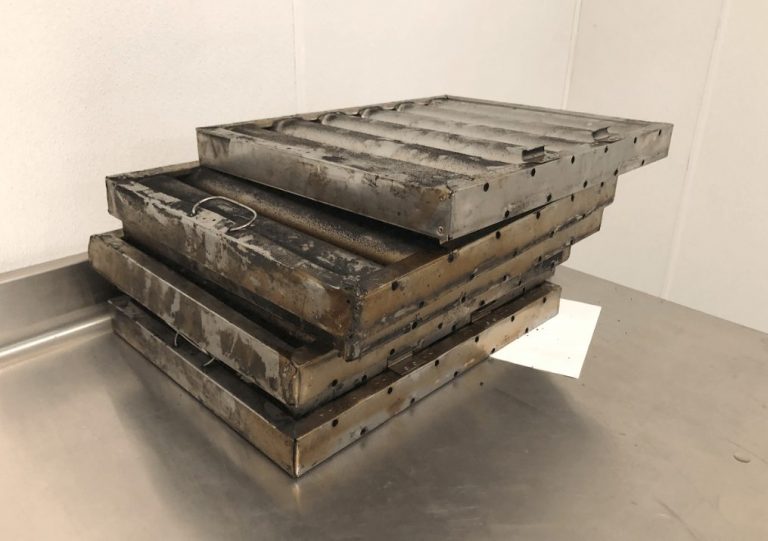
Kitchen Fires Typically Start with Grease.
- Filters are the first line of defense in your kitchen exhaust system.
- Improper or irregular cleaning frequencies can lead to major issues including fires, poor ventilation and intensely hot cooking environments for your employees.
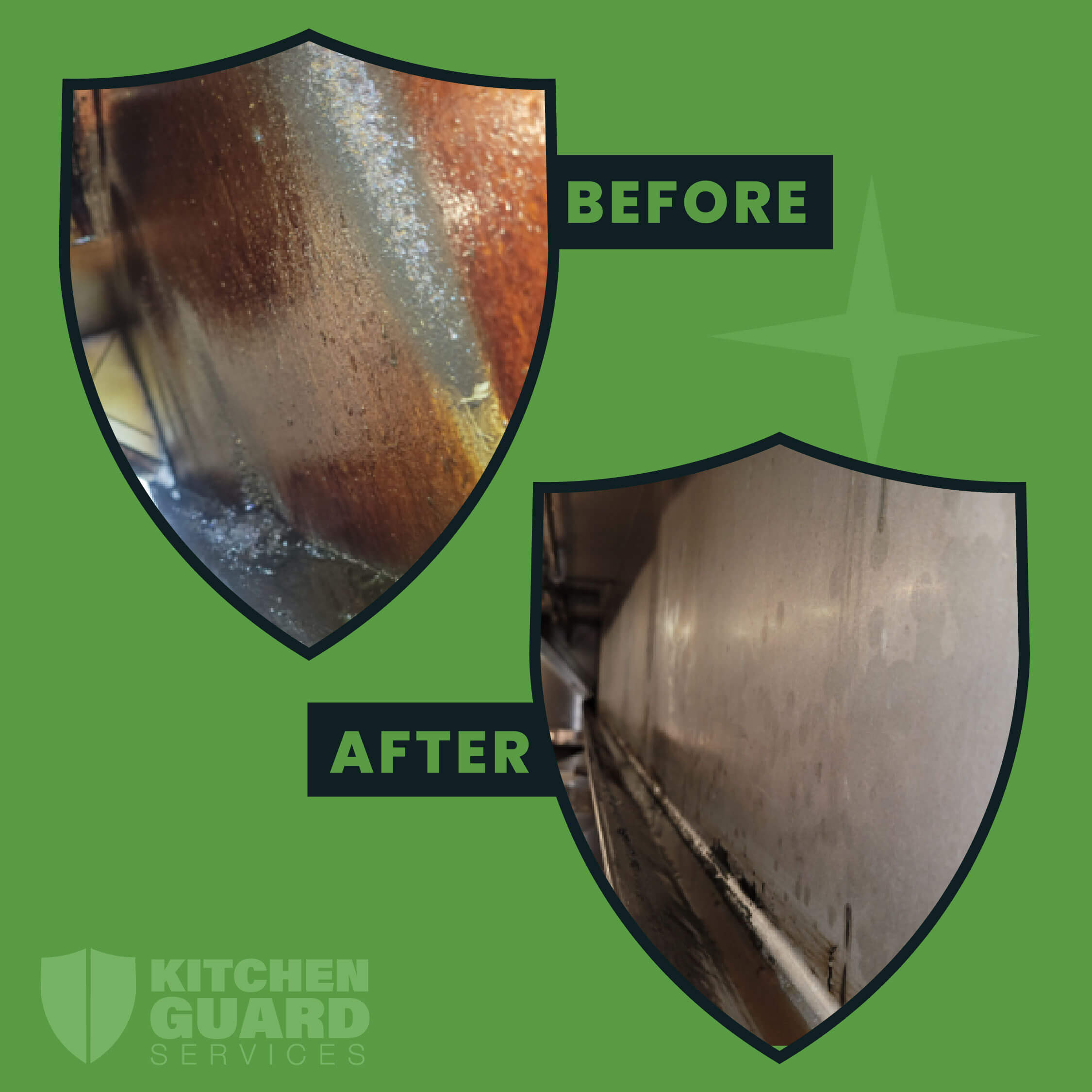
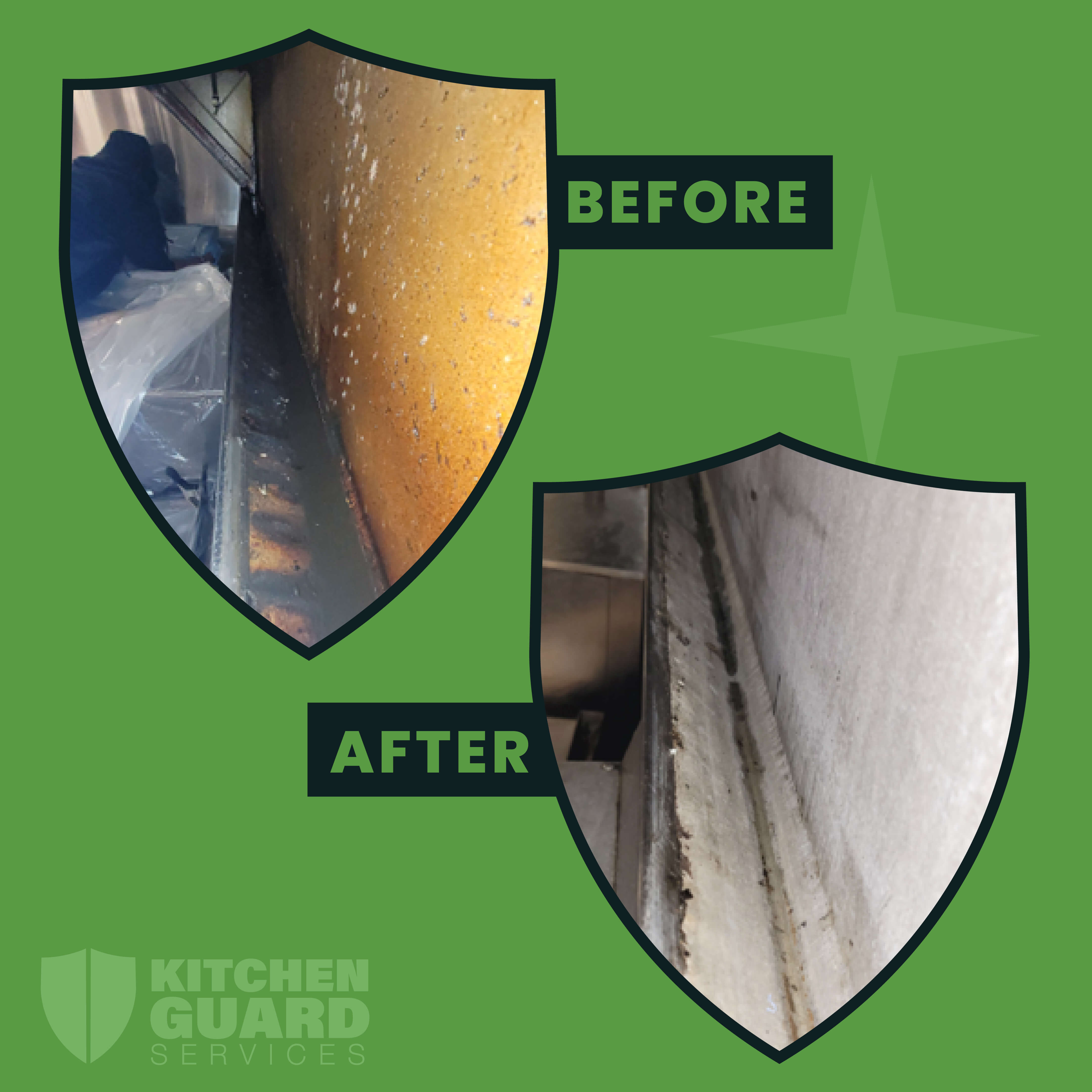
- Reduce your fire risk with professionally cleaned filters.
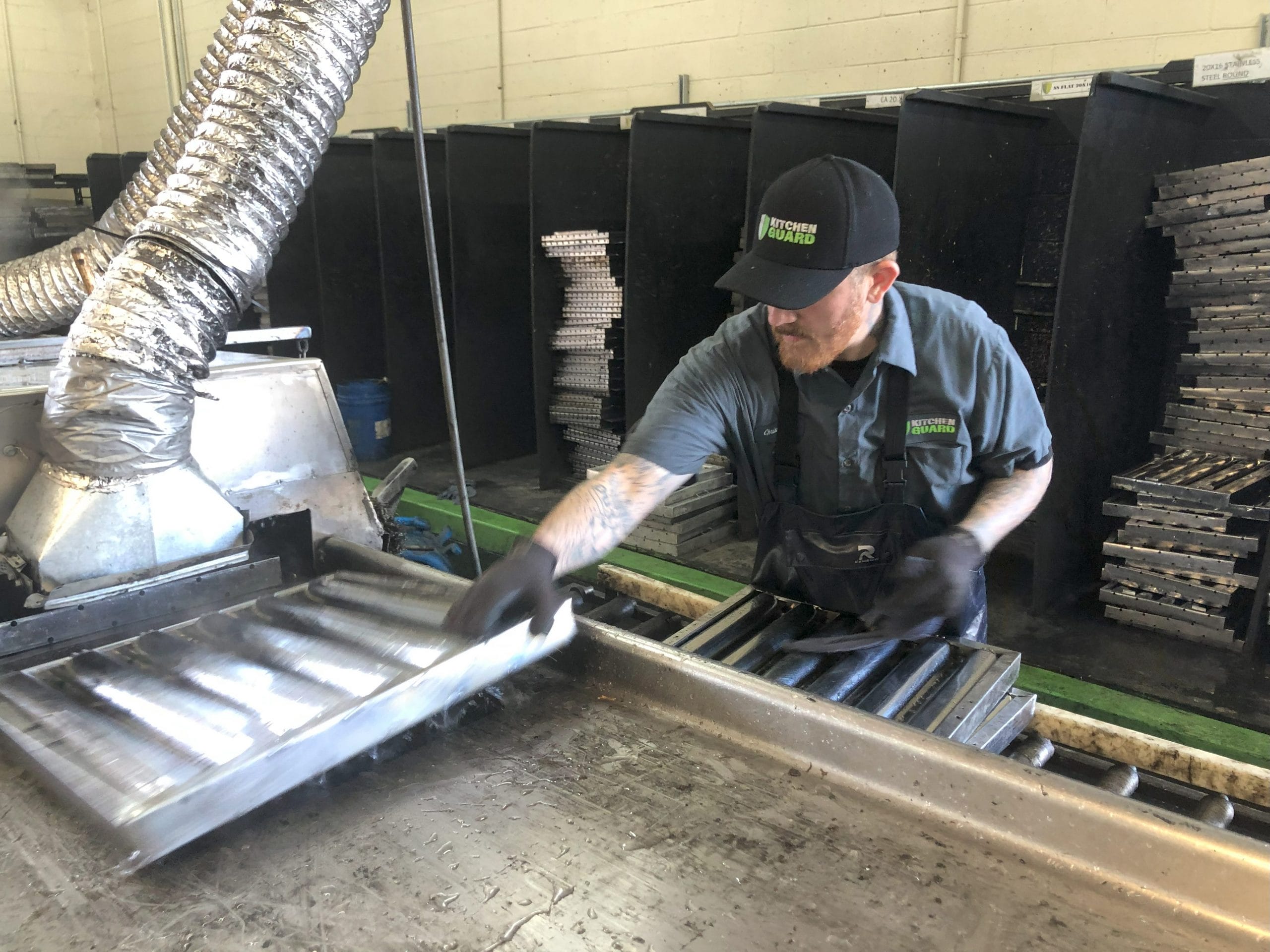
- We exchange your dirty filters at regular intervals with professionally cleaned filters.
- We’ll do it so your own staff won’t have to.
- Exchanged after hours so we don’t interrupt operations.
- Reasonably priced and without the hassle.
Stories from Our Clients
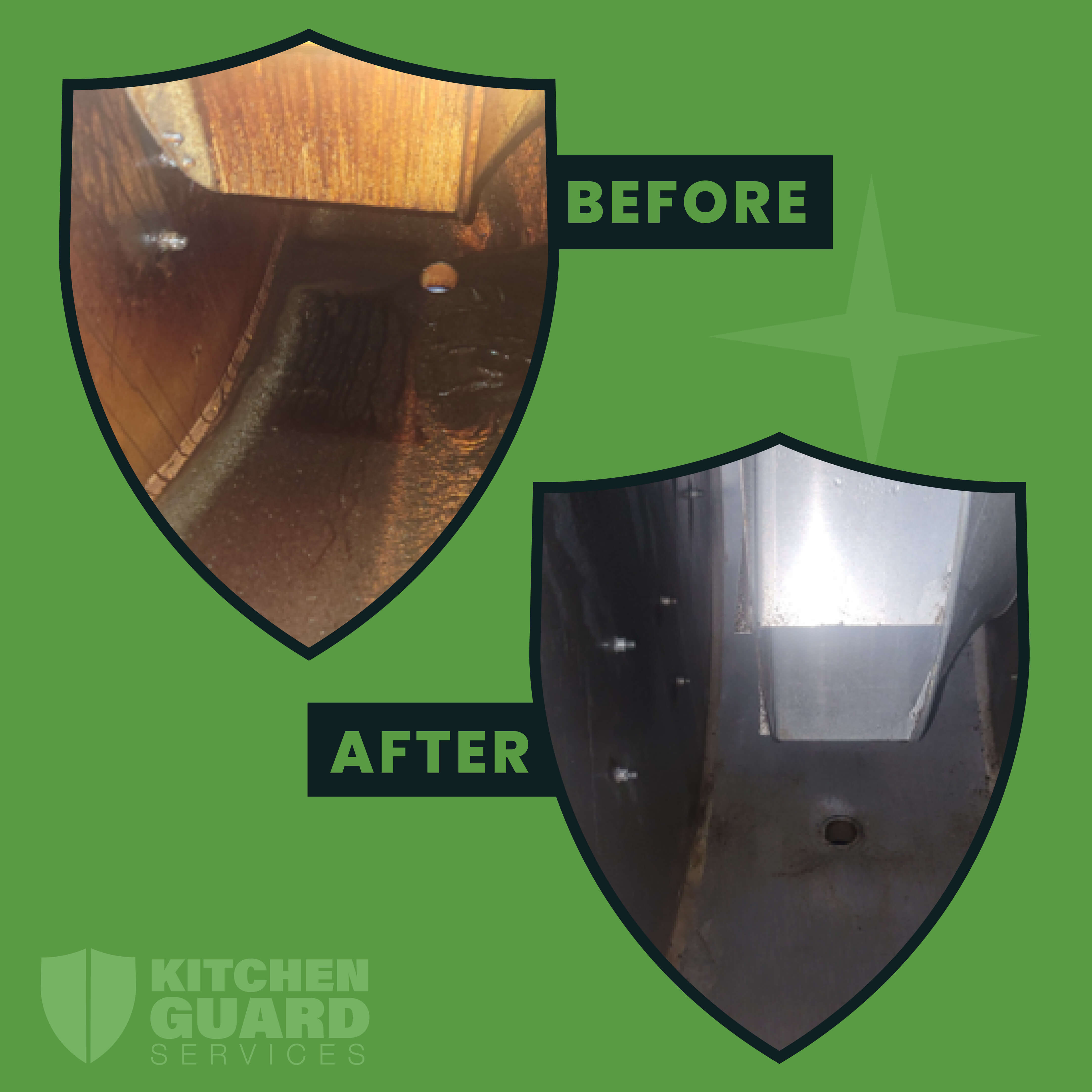
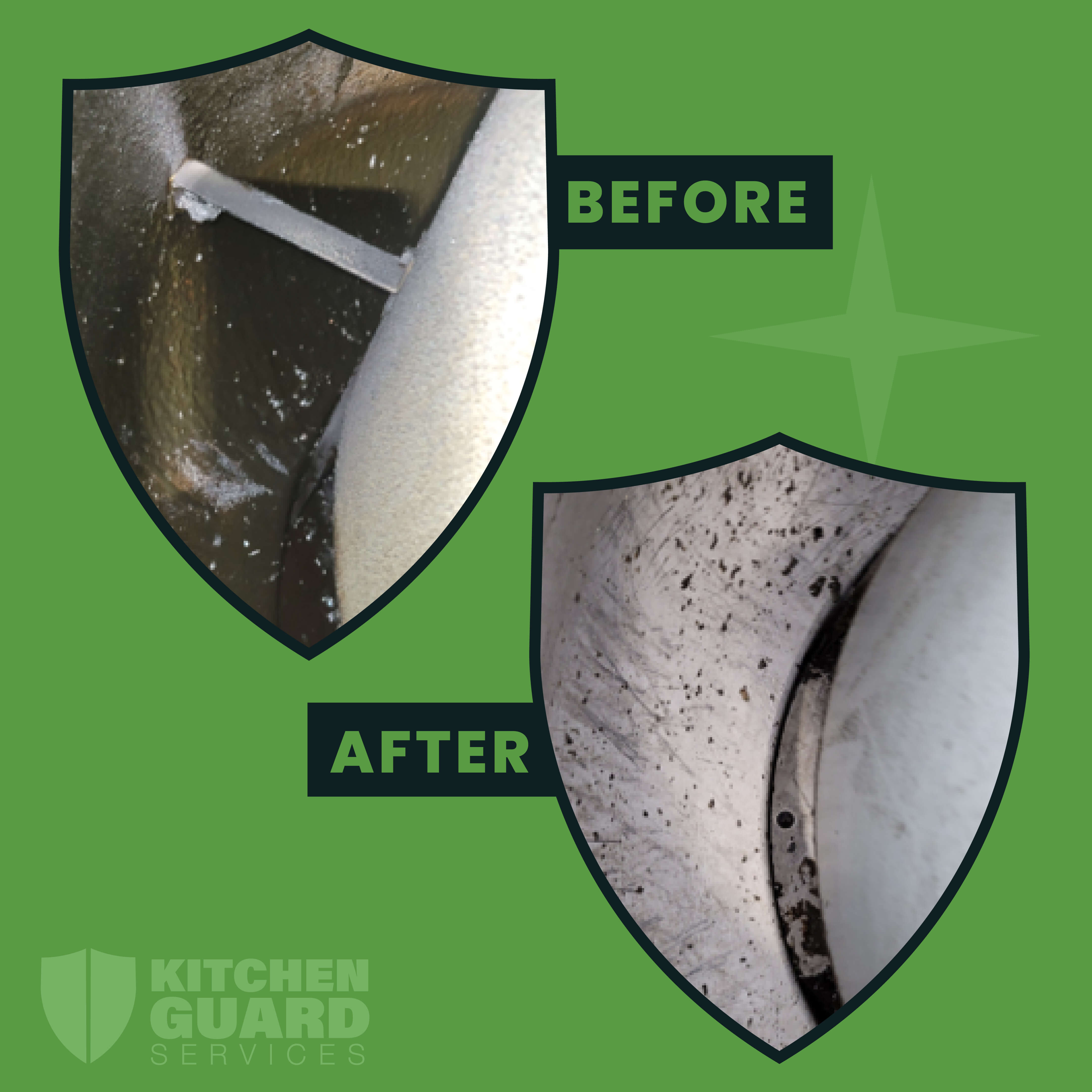
Compliance & Credentials
Filters Are Part of the System the Code Covers
NFPA 96 covers the whole exhaust system — hood, plenum, filters, ductwork and fan. A spotless hood behind saturated filters is still a system out of compliance, which is why filter service belongs inside the same standard as the cleaning.
Why the standard takes filters seriously
Filters are where grease is supposed to be captured first. When they are saturated, damaged or the wrong grade, grease travels into the plenum and duct — where removal is harder and a fire has somewhere to go. ANSI/IKECA C10-2021, the standard our crews work to, ties cleaning necessity to what an inspection actually finds, filters included.
Exchanged on a schedule that matches your cooking
Frequency is set by how hard your kitchen cooks, not by a generic calendar. As a corporate member of the International Kitchen Exhaust Cleaning Association, Kitchen Guard sets that interval against a published method and documents every exchange.
Read how NFPA 96 and the ANSI/IKECA standards work together.
Have questions?
We Solve Problems & Answer Questions
Filter exchange service is an ongoing program where grease filters are removed, replaced, and cycled on a defined schedule so the kitchen always has functioning filters in place without relying on ad hoc cleaning or inconsistent in-house handling.
The right cadence depends on cooking volume, grease production, and the type of equipment in use. Heavy frying, open-flame cooking, and high-output kitchens typically require more frequent exchange than lower-grease operations
Learn more by visiting our Education Center
Filters are the first line of defense in capturing grease before it moves deeper into the plenum and ductwork. When filters are overloaded, damaged, or missing, more grease can travel into the system, which increases buildup, fire exposure, and maintenance pressure.
Yes. Filters that are bent, broken, undersized, or not seated correctly can reduce capture efficiency and allow grease to bypass the intended barrier. That can create avoidable system contamination and weaken the overall maintenance program.
For many operators, a scheduled exchange program creates more consistency, better recordkeeping, and less operational friction. It reduces dependence on internal staff availability and helps standardize the condition of filters across shifts or across multiple locations.
Yes. Multi-unit operators often benefit from a defined exchange cadence, centralized service oversight, and consistent documentation across locations. That creates a cleaner operating model for maintenance planning and compliance tracking