"*" indicates required fields
Proactive Maintenance Keeps Your System Running
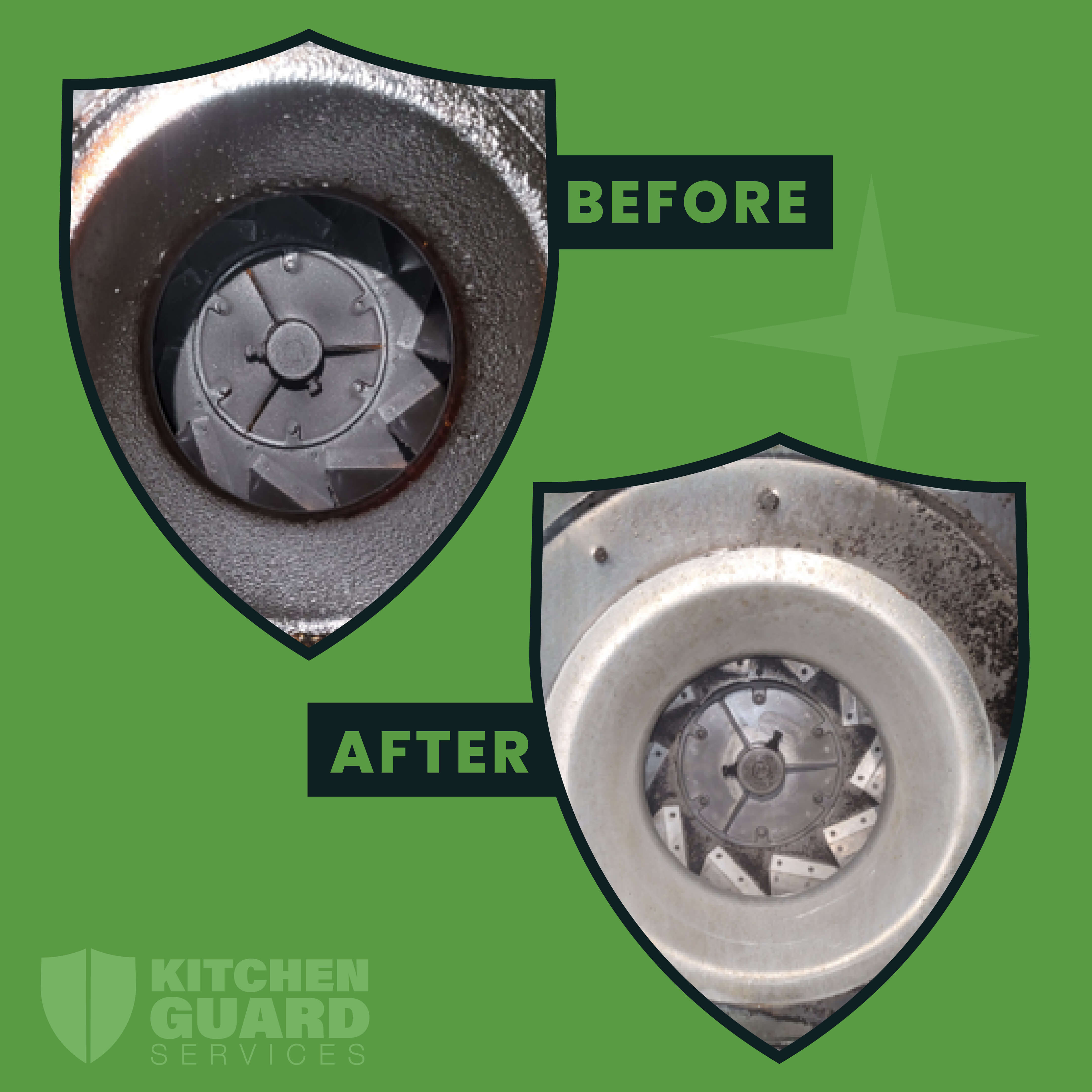
When It Breaks, We Can Repair It
Kitchen Guard offers a full line of repair options for your kitchen exhaust system.
- We work alongside industry references to ensure your system is taken care of to the manufacturer’s standards
- We only use long lasting repair items that are UL listed
- We can fix anything including access panels (curved and flat styles), fan replacement (upblast and utility-set), belt replacement, curb extensions and reductions, hinge kits with grease containment, roof repair (from grease damage) and any custom work request you have.
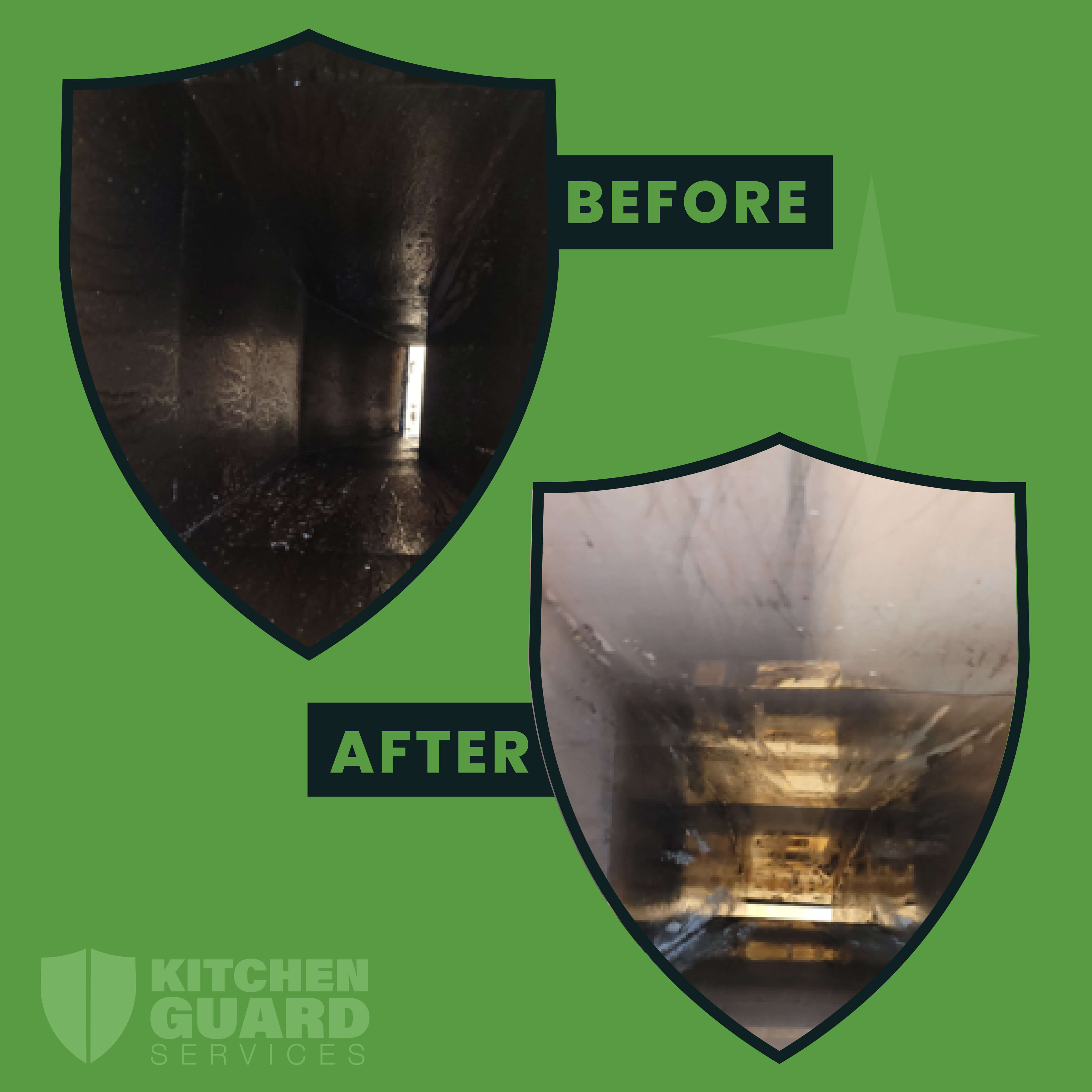
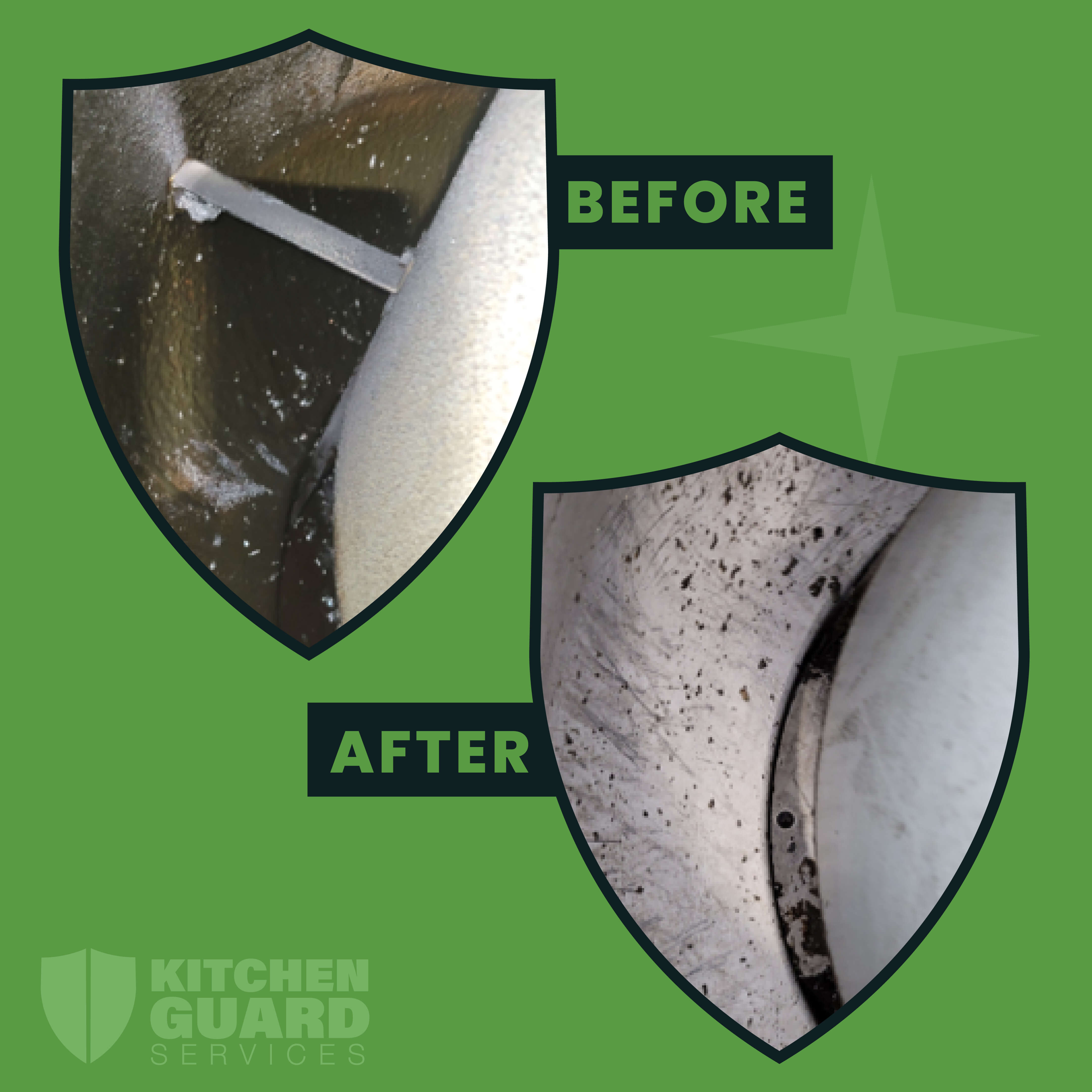
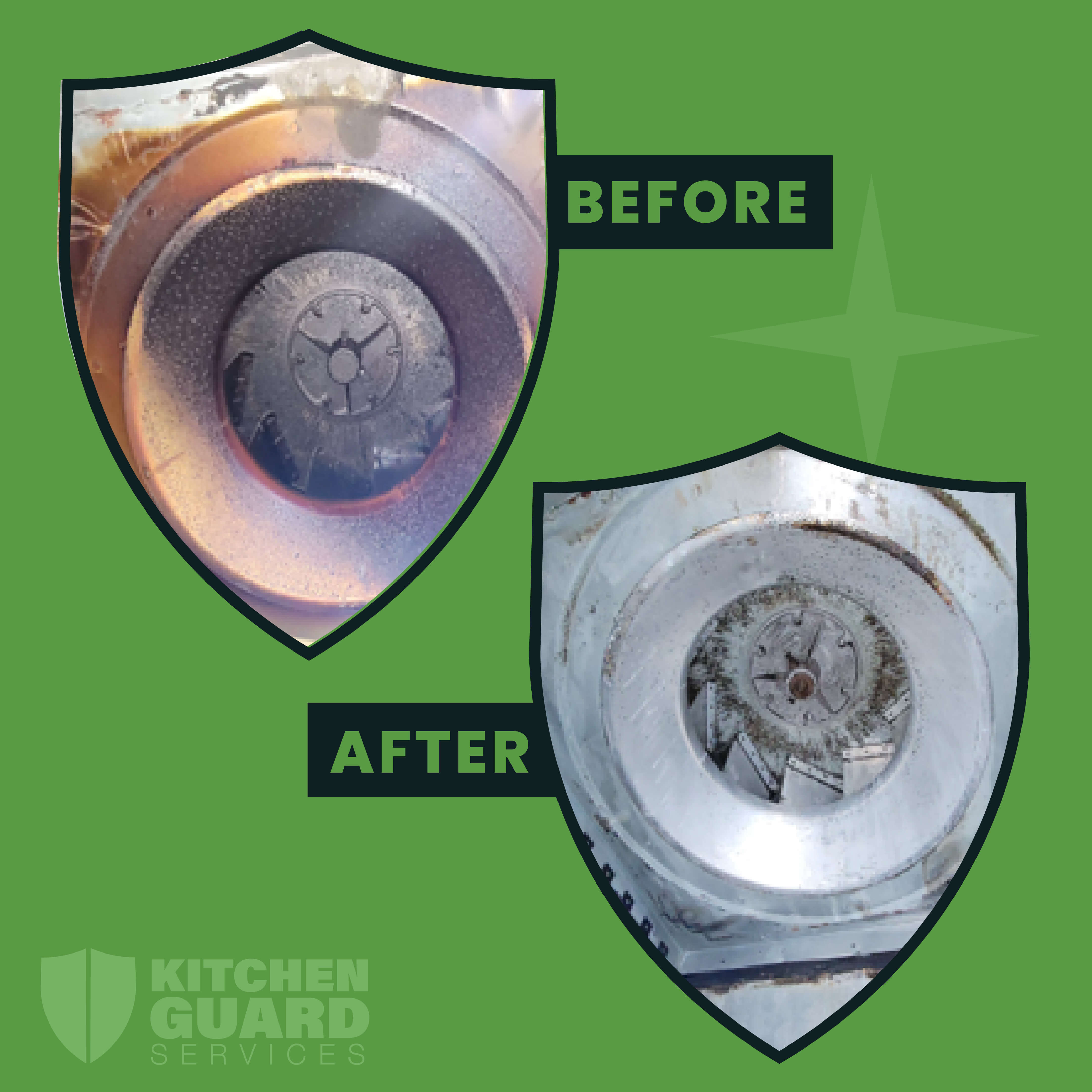
Stories from Our Clients


Compliance & Credentials
Inspection Finds It. Repair Closes It.
Cleaning a system to a published standard means getting eyes and hands on parts of it nobody looks at otherwise. That is how most repair work is found — not from a sales script, but because the standard requires access to surfaces where the defects live.
Why compliant cleaning turns up repairs
ANSI/IKECA C10-2021, the standard our crews work to, determines cleaning necessity through inspection. Once a technician is inside the plenum and duct, failed access panels, missing gaskets, corroded seams, damaged hinge kits and bearings on their way out become visible — and each one is a compliance gap as much as a mechanical one.
Documented alongside the cleaning record
Findings are photographed and dated in the same record as the cleaning, so the repair has a documented reason behind it. Kitchen Guard is a corporate member of the International Kitchen Exhaust Cleaning Association, which is how our work stays measured against a published method rather than a company opinion.
HAVE QUESTIONS?
We Solve Problems & Answer Questions
Commercial kitchen repair support may include exhaust fan issues, hinge replacements, access panel work, belt and motor issues, rooftop fan curb repairs, duct-related corrections, and other service items tied to the performance and serviceability of the exhaust system. For additional insight into commercial kitchen ventilation systems and equipment design, refer to commercial ventilation system resources from CaptiveAire.
Cleaning addresses grease and maintenance conditions. Repair is needed when system components are broken, worn, missing, leaking, loose, or unsafe. If a fan is not operating properly, an access panel is compromised, or hardware is failing, cleaning alone will not solve the issue.
Yes. Exhaust cleaning often reveals mechanical or structural issues that are harder to see when surfaces are coated in grease. A service visit can help surface worn parts, damaged components, access concerns, and other repair needs that affect system performance or compliance.
Access panels and hinges support proper serviceability and safe inspection access. If they are missing, damaged, or improperly maintained, technicians may not be able to reach critical grease-bearing sections effectively, which can affect both cleaning quality and inspection readiness.
Yes. Issues with the exhaust fan can significantly reduce airflow performance, strain the entire system, and lead to broader operational problems in the kitchen. When rooftop exhaust components aren’t functioning properly, the entire exhaust pathway is compromised—allowing heat, smoke, and grease-laden air to build up inside the workspace.
Poor ventilation and airflow can also impact workplace safety and regulatory compliance. Operators can reference OSHA ventilation standards and indoor air quality guidance for additional workplace requirements.
This not only impacts system efficiency but also creates real safety concerns. Excessive heat can make working conditions uncomfortable and even hazardous for staff, while lingering smoke and grease in the air can affect indoor air quality and employee health. Addressing these issues promptly through Repairs helps restore proper airflow, protect your equipment, and maintain a safer kitchen environment.
High-heat kitchen environments may also introduce employee safety concerns, which are covered under OSHA heat stress guidelines.
Yes. Repair activity should be tracked alongside recurring cleaning and filter service so operators have a cleaner maintenance history, stronger internal visibility, and better support if questions arise during inspections or reviews.
Visit our Commercial Kitchen Hood Cleaning, and NFPA 96 Standards pages for more details.