
NFPA 96 Aligned
Full System Cleaning to Bare Metal
Ductwork, risers, access points, and rooftop fan components. The full grease-bearing path, not just the visible hood. Cleaned to bare metal on every job.

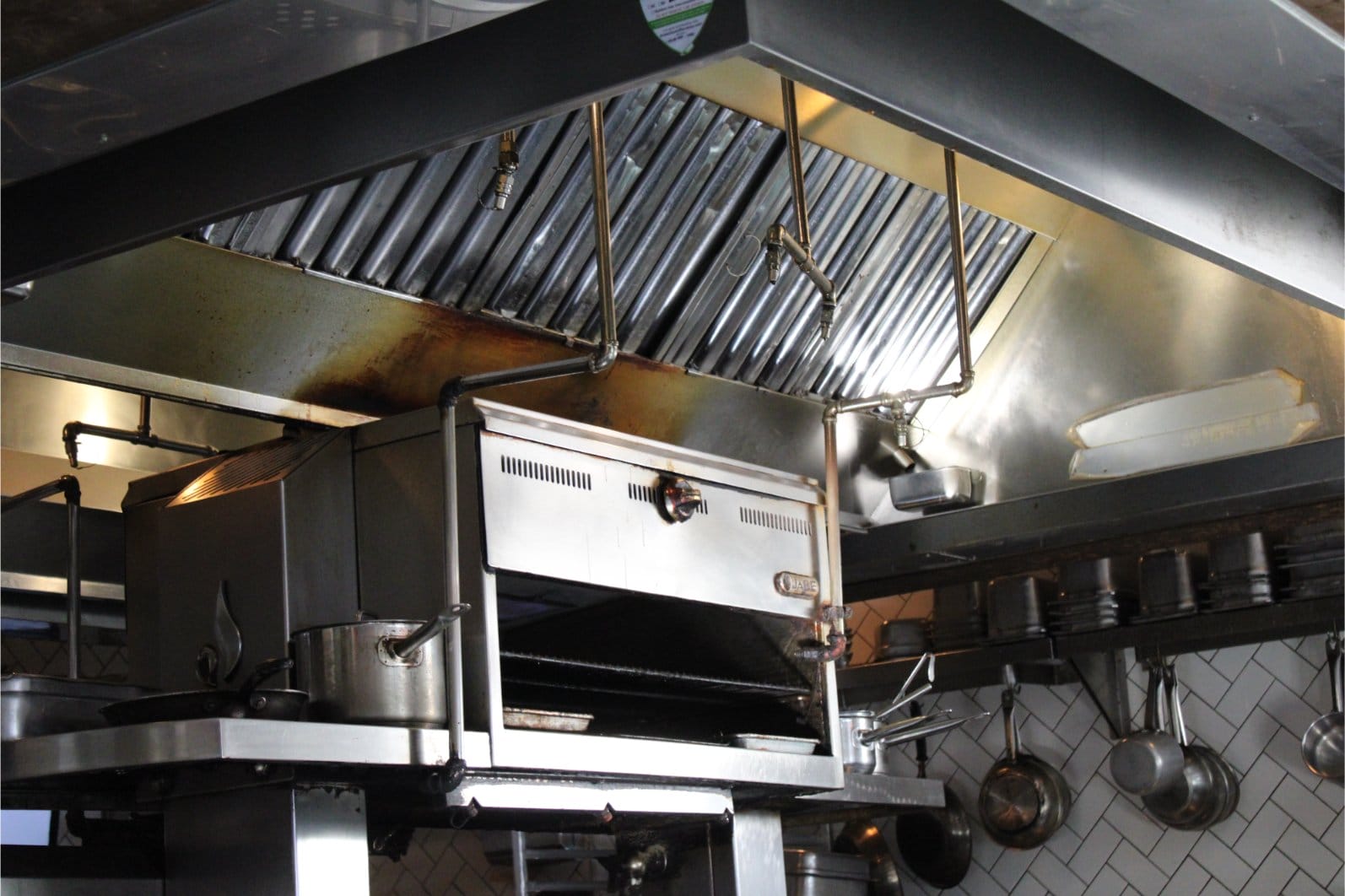
Fairfield is one of Fairfield County’s strongest restaurant towns, but not every kitchen is the same. Post Road and Fairfield Town Center have steady year-round business, while Black Rock Turnpike has more casual, high-volume kitchens and multi-tenant strips.
Southport Village and Fairfield Beach Road create a different situation. Smaller kitchens, seasonal crowds, catering jobs, and tighter time windows all change how fast grease builds up and when cleaning can actually happen.
At Kitchen Guard, we work around these realities. We clean the full grease-bearing path and document what was accessed, cleaned, and flagged. Every visit produces a photo-backed record that meets NFPA 96 requirements and holds up when the Fairfield fire marshal reviews your compliance.
Ductwork, risers, access points, and rooftop fan components. The full grease-bearing path, not just the visible hood. Cleaned to bare metal on every job.
Photo-backed reports, service records, and deficiency notes that show what was cleaned, what was reached, and what still needs attention.
Designed around the needs of Post Road restaurants, Black Rock Turnpike strip kitchens, Southport Village dining rooms, and Fairfield Beach Road kitchens.
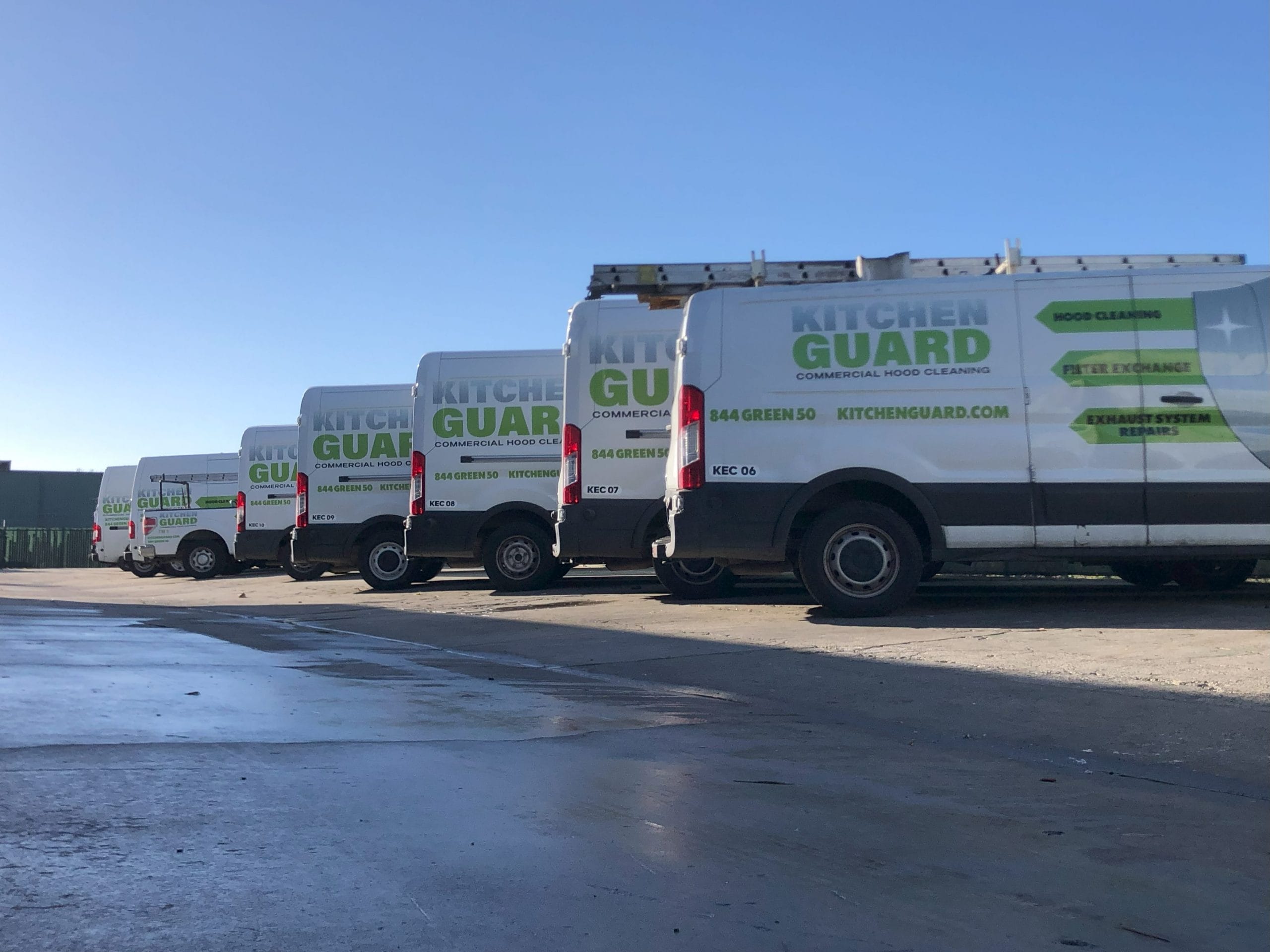
Kitchen Guard self-performs the work with trained crews, clear follow-through, and a standard built around line-ready kitchens, not stickers on the hood.
Many hood cleaning vendors leave a kitchen with the visible surfaces looking clean, but no proof that the duct path and fan were actually reached. In Fairfield’s older mixed-use buildings and compact back-of-house layouts, that difference becomes a problem.
The grease inspectors look for sits in the plenum, horizontal duct runs, access turns, and fan housing, not where staff can see it from the floor. A surface clean can hide an unclean system.
Kitchen Guard cleans and documents the full grease-bearing path, including the duct interior where grease builds up out of sight. Before and after photos of every section mean operators can see exactly what was reached, what was cleaned, and what still needs attention.
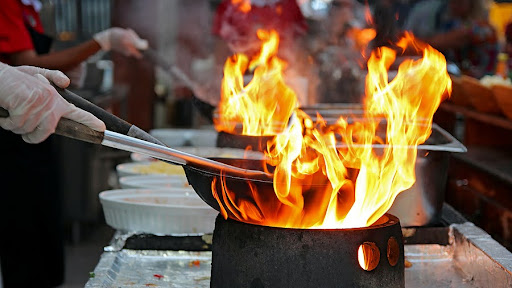
When a cleaning history is questioned, a service date is not enough. The record has to show what was cleaned, what was inaccessible, and what still needs attention.
Before-and-after photos show the canopy, plenum, duct runs, access panels, and fan interiors.
The written report notes cleaned areas, inaccessible sections, access panel locations, and visible deficiencies.
That record stands up to scrutiny from the Fire Marshal, landlord, or insurer when the cleaning history is questioned.
Good service is not just what gets cleaned. It is also the condition the kitchen is left in when the crew leaves.
There are no surprise openings, missing filters, wet floors, pilot-light issues, or equipment left out of order. Filters back in correctly, floors cleaned, and the cooking line ready for prep instead of a morning problem.
Photos, reports, and any flagged next steps are delivered quickly so operators are not chasing answers after the visit.
These are the questions we hear most often from Fairfield operators on Post Road, Black Rock Turnpike, and Southport Village.
Under NFPA 96, the interval depends on grease load, cooking style, and operating hours. Some kitchens need monthly service, while others can run longer. For a practical breakdown, read our article on kitchen exhaust cleaning frequency.
The record should include a full-system clean, photos, a written report, inaccessible areas noted, and visible deficiencies documented. A hood sticker alone usually does not hold up.
Damaged or grease-loaded filters stop the system from capturing grease properly, which pushes more buildup into the ductwork and fan. Filter condition affects whether the system can be cleaned correctly.
Ask whether the provider cleans the full system, delivers a written report, provides before-and-after photos, and clearly notes inaccessible areas or visible deficiencies. To learn what to ask, read Choosing a Restaurant Hood Cleaning Company in CT & NY: 7 Critical Questions.
Access panels allow the ductwork to be opened, inspected, and cleaned. If panels are missing, painted shut, rusted, or placed where the full duct run cannot be reached, the system may not be fully serviceable. A good hood cleaning report should flag access limitations clearly so the operator knows what needs correction before the same issue appears during a fire marshal review.
With Kitchen Guard, that is the standard. We take extreme care to ensure filters are reinstalled correctly, floors are cleaned, pilots are relit, and the line is ready for prep instead of creating a morning problem.
Kitchen Guard serves operators across Fairfield County from our operating location in Stamford. Use the links below to view the Fairfield County page and the other city-specific pages.


