
NFPA 96 Aligned
Full System Cleaning to Bare Metal
Ductwork, risers, access points, and rooftop fan components. The full grease-bearing path, not just the visible hood. Cleaned to bare metal on every job.

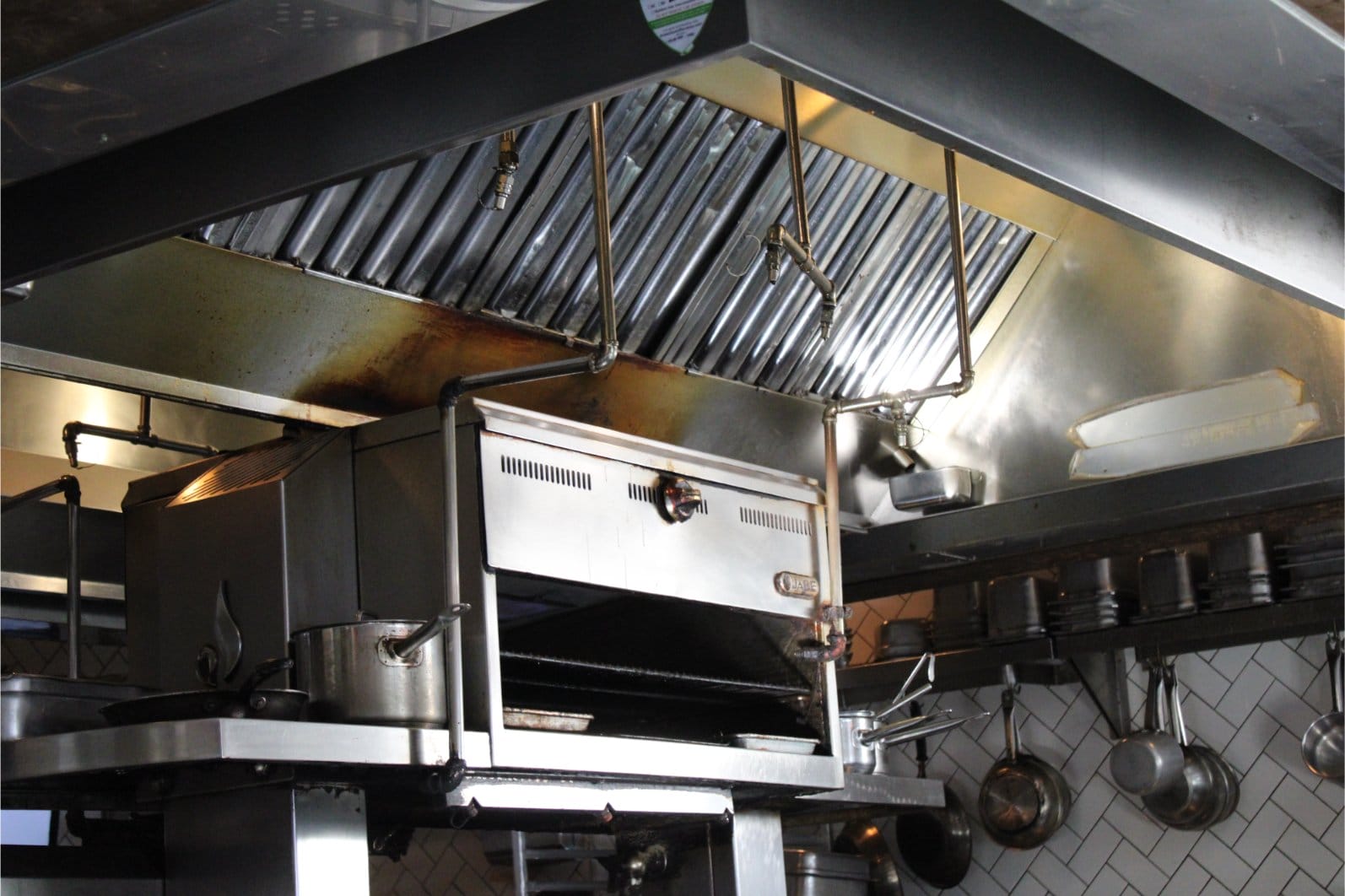
Greenwich fire marshals require NFPA 96-compliant documentation for hood cleaning. Whether it is a kitchen on Greenwich Avenue, at Greenwich Country Club, or inside Greenwich Hospital, inspectors and insurers need proof that the exhaust system was properly cleaned.
A surface clean is not enough. The full grease path must be cleaned to bare metal, including hoods, plenum, ducts, access points, and rooftop fan components. In historic downtown buildings, waterfront venues, and club kitchens, grease builds up in hidden areas where fire risk sits.
At Kitchen Guard, we clean the full system, flag issues that affect future access, and provide photo-backed documentation. Operators in Old Greenwich, Riverside, Cos Cob, Glenville, and Byram rely on these records when compliance is on the line.
Ductwork, risers, access points, and rooftop fan components. The full grease-bearing path, not just the visible hood. Cleaned to bare metal on every job.
Photo-backed reports, service records, and deficiency notes that hold up with Fire Marshal, landlord, and insurer review. More than a verbal signoff.
Historic downtown buildings, waterfront venues, and private clubs create a different service environment here. Our work is built for those Greenwich operating realities.
Locally owned and operating across Fairfield County. Responsive scheduling, clear follow-through, and a team that understands Greenwich operators and inspection expectations.
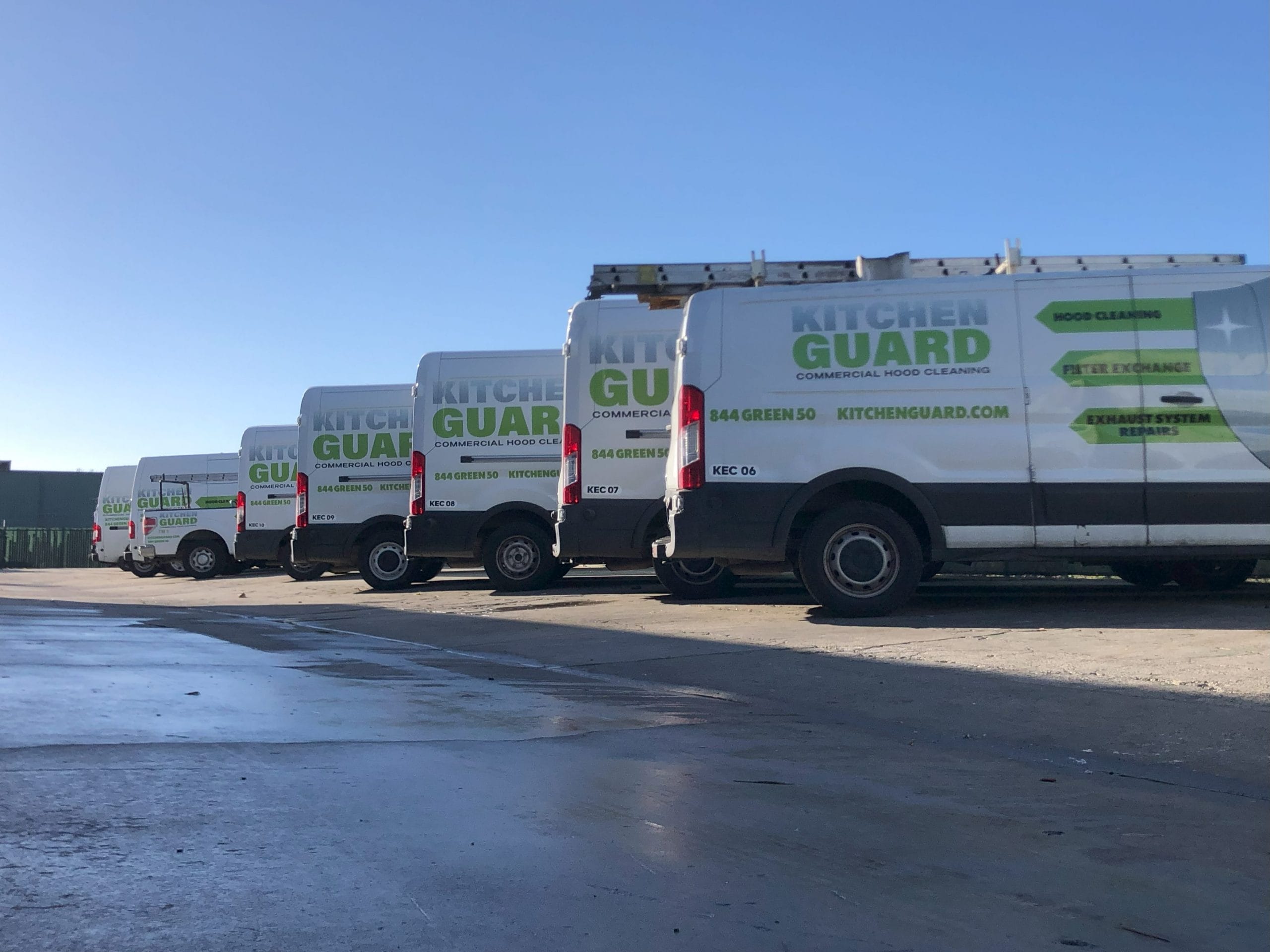
Greenwich inspectors do not stop at what looks clean from the kitchen floor. Access and documentation are part of the standard. Hoods, ducts, filters, and related components must be free of grease, with service reports kept on file.
Hidden duct runs, rooftop fans, and mid-run access points are where partial cleaning breaks down. Concealed sections in older downtown and village buildings are often the hardest to reach, and the first place inspectors look to confirm whether the cleaning was compliant.
Kitchen Guard works with these realities. We verify what can be opened, flag any access limitations, clean the full grease path to bare metal, and document everything so operators are prepared when a fire marshal or insurer comes looking.
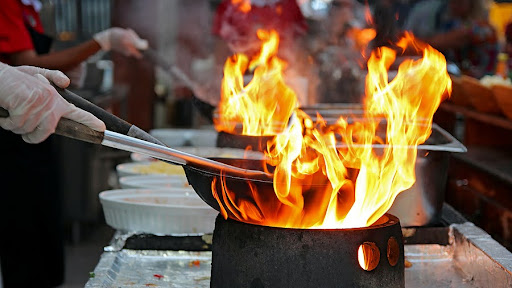
With photo-backed evidence, we show what was reached, what was flagged, and what needs to be addressed before an inspection.
Older kitchens often have duct sections built without adequate access points. We document gaps before a Greenwich Fire Marshal review turns them into problems.
We note worn seams, fan issues, and early warning signs so operators get condition insight, not just a tag.
GPS-stamped before-and-after photos, a written report meeting NFPA 96 Section 12.6.15 requirements, and a clear note on anything that still needs attention.
Overnight access and leaving the kitchen exactly as we found it are part of the job. Our crew is trusted with the keys, whether it’s a Greenwich restaurant, a private club, or a hotel kitchen.
Kitchen Guard crews work overnight with the owner’s keys and alarm codes. Every technician is background-checked, uniformed, and conducts themselves to the standard the property expects.
Every job is performed by Kitchen Guard’s own trained crews, with no subcontracted labor, no unknown faces on the property, and direct accountability on every visit. Filters reinstalled, pilots relit, floors clean, and a closure video before the crew leaves.
These are the questions we hear most often from Greenwich operators, club kitchens, schools, and hospitality teams.
Event-heavy clubs, banquet kitchens, and summer waterfront operations usually need tighter intervals. Frequency follows grease load, menu, and the operating calendar. Our Kitchen Exhaust Cleaning Frequency Chart breaks it down by restaurant type.
Grease-free hoods, ducts, and filters, plus current records on file. A clean-looking canopy alone does not satisfy the checklist.
No. Inspectors may look beyond the canopy, so full-system cleaning has to cover the hood, plenum, ductwork, access points, and fan areas.
Usually, yes. Event calendars, seasonal peaks, and heavier production can shorten intervals and make service timing more critical than in standard restaurants.
Yes. We provide photo-backed reports, service records, and deficiency notes that support Greenwich Fire Marshal review and insurance conversations.
Seasonal kitchens should schedule exhaust inspection and cleaning before the first heavy service period, not after the kitchen is already running at full volume. Reopening is the right time to check grease buildup, filter condition, fan operation, rooftop access, and any access panels that may have been ignored during slower months. That gives clubs, schools, and banquet operators time to correct issues before a busy event calendar leaves little room for repairs.
Kitchen Guard serves operators across Fairfield County from our operating location in Stamford. Use the links below to view the Fairfield County page and the other city-specific pages.


