
NFPA 96 Aligned
Full System Cleaning to Bare Metal
Ductwork, risers, access points, and rooftop fan components. The full grease-bearing path, not just the visible hood. Cleaned to bare metal on every job.

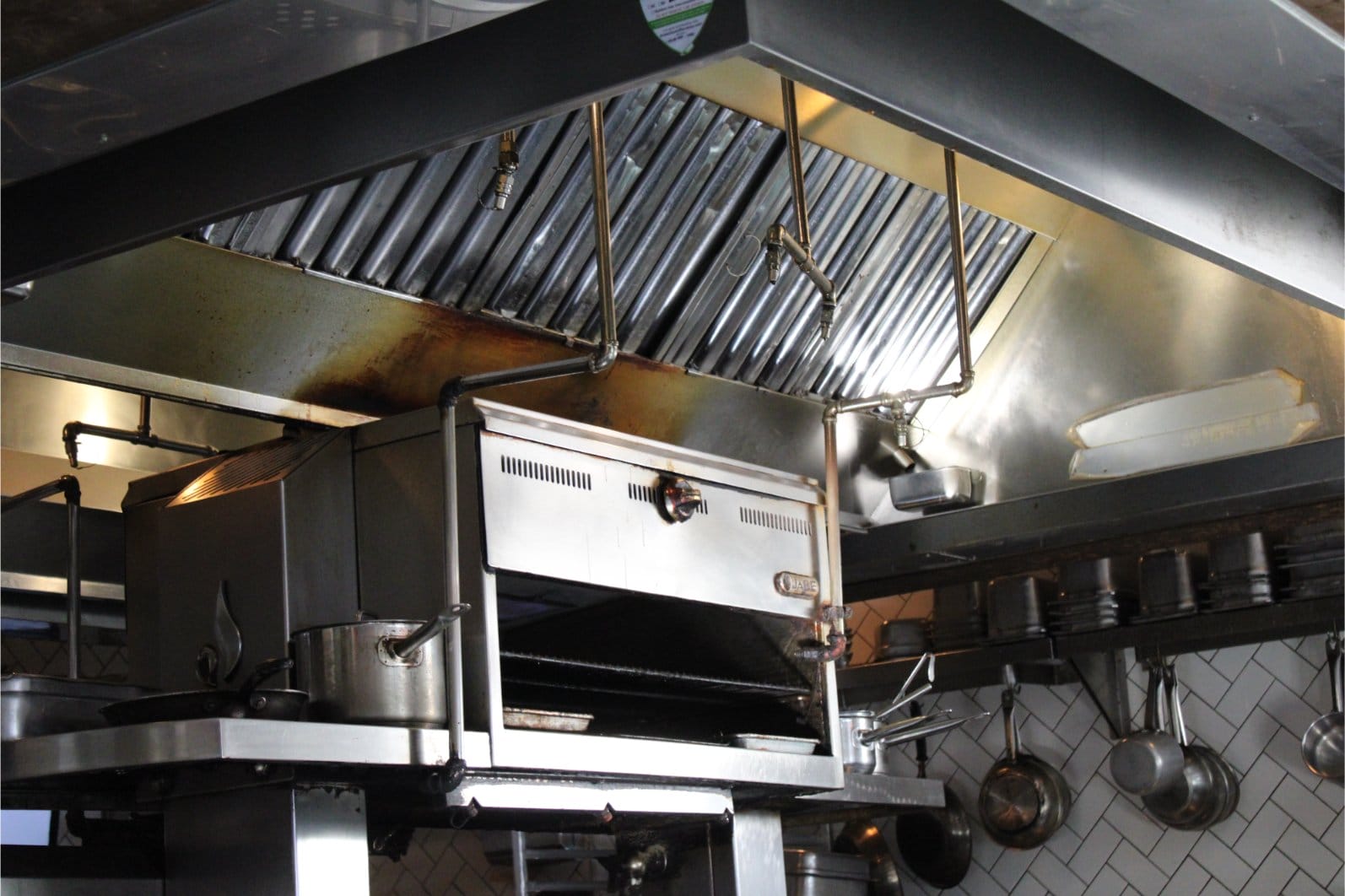
Norwalk is one of Fairfield County’s busiest dining markets. From Washington Street and the Maritime Aquarium area to East Norwalk, Rowayton, and the Route 7 corridor, the city runs a dense mix of restaurants, hotel kitchens, institutional food service, and commissary operations.
Seafood kitchens, fryer-heavy bars, banquet operations, and hospital food service each put different demands on an exhaust system. In SoNo’s historic mixed-use buildings and older Wall Street spaces, full-system access can be harder to achieve, and a visibly clean hood will not hold up when an inspector looks deeper.
At Kitchen Guard, our service is built for that environment. We clean the full grease-bearing path, adapt to how the kitchen operates, and document the work for Norwalk fire marshal review. We help operators stay ahead of inspections without disrupting late-night service, event prep, or peak waterfront traffic.
Ductwork, risers, access points, and rooftop fan components. The full grease-bearing path, not just the visible hood. Cleaned to bare metal on every job.
Seafood kitchens, fryer-heavy bars, banquet operations, and commissary kitchens do not load grease the same way. We adjust service to match the kitchen.
SoNo jobs often mean multi-floor vertical runs, while Wall Street spaces add indirect duct paths and tighter footprints.
Dense dining districts run late. We schedule around service, close the loop quickly, and keep operators moving through event prep and peak hours.
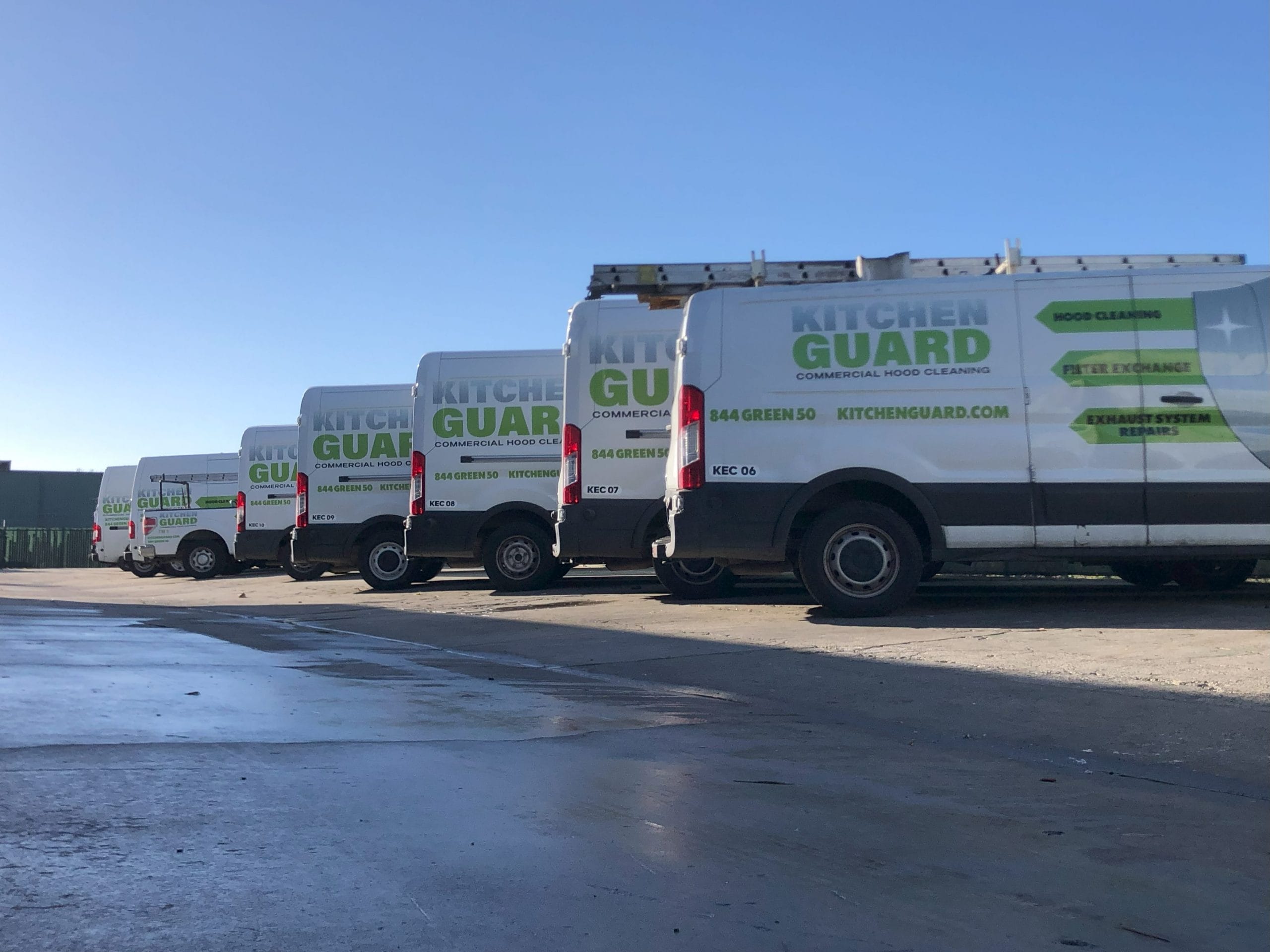
Norwalk does not run on one kitchen model. Waterfront seafood spots, fryer-heavy bars, banquet kitchens, hospital food service, and commissary operations all push grease into the system differently.
Grease load follows cooking method, fuel, operating hours, and system design. A fryer line, broiler, or solid-fuel pizza oven can load hoods, ducts, and fans much faster than a lower-volume kitchen.
Kitchen Guard adjusts service to the actual kitchen. We inspect the full grease-bearing path, account for how the line is used, and recommend a cleaning rhythm that matches production, access, and grease load before buildup turns into an inspection problem.
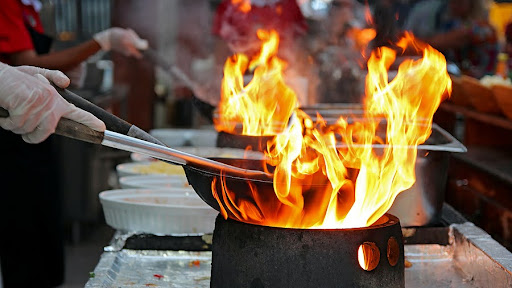
Norwalk’s two main restaurant corridors, SoNo and Wall Street, run busy kitchens in very different buildings with different duct paths and access conditions.
Historic mixed-use buildings in SoNo often send ducts through multiple floors before they reach the roof. That changes how the duct path is reached and how the rooftop fan is serviced.
Older Wall Street spaces can mean indirect duct paths, tighter back-of-house footprints, and exhaust systems adapted to heavier kitchen use over time.
Both district types are scoped before service begins. Access points, floor penetrations, and rooftop reach are confirmed in advance so the job runs on schedule regardless of building type.
Hood cleaning has to fit around last service, early prep, and shared-building constraints. Kitchen Guard plans around all of it so the work does not interfere with the kitchen schedule.
SoNo runs late and Wall Street turns over early. Overnight and early-morning slots are how the work gets done without touching service.
Shared parking, mixed-use occupancy, and rooftop access can all affect timing. Those constraints are confirmed before the crew arrives. Documentation and next steps are turned around the same day.
These are the questions we hear most often from Norwalk operators in SoNo, Wall Street, and the Route 7 corridor.
Under NFPA 96, high-volume SoNo kitchens usually need tighter intervals than the calendar suggests. Grease load, menu, and operating hours decide the rhythm. Our Kitchen Exhaust Cleaning Frequency Chart breaks it down by restaurant type.
Seafood kitchens, fryer-heavy bars, banquet lines, and commissaries push grease into the system at different rates because cooking method, fuel type, and operating hours all affect how fast buildup occurs. The full exhaust path is where those differences show up, not just the visible hood. To learn more, read Restaurant Vent Hood Cleaning: Beyond Basic Hood Maintenance.
Accessible ducts, documented cleaning, and a full system that does more than look clean. The Norwalk Fire Marshal follows NFPA 96 requirements. To learn more, read Connecticut & New York Restaurant Fire Code: Complete NFPA 96 Compliance Guide.
Yes. Overnight and early-morning windows are often the cleanest way to service SoNo and Wall Street kitchens without interrupting dinner, bar traffic, or prep.
Fryers, charbroilers, woks, seafood lines, and banquet production all send different amounts and types of grease into the exhaust path. Some kitchens load the filters quickly, while others push more buildup into the plenum, ductwork, or fan housing. That is why cleaning frequency should be based on actual cooking volume and equipment use, not just a generic calendar interval.
Every job includes a service report documenting what was cleaned, the condition of the system, and any access or wear issues noted. For Norwalk operators, that report is what the Fire Marshal’s office expects to see when reviewing compliance.
Kitchen Guard serves operators across Fairfield County from our operating location in Stamford. Use the links below to view the Fairfield County page and the other city-specific pages.


