
NFPA 96 Aligned
Full System Cleaning to Bare Metal
Ductwork, vertical risers, access points, and rooftop fan components. The full grease-bearing path, not just the visible hood. Cleaned to bare metal on every job.

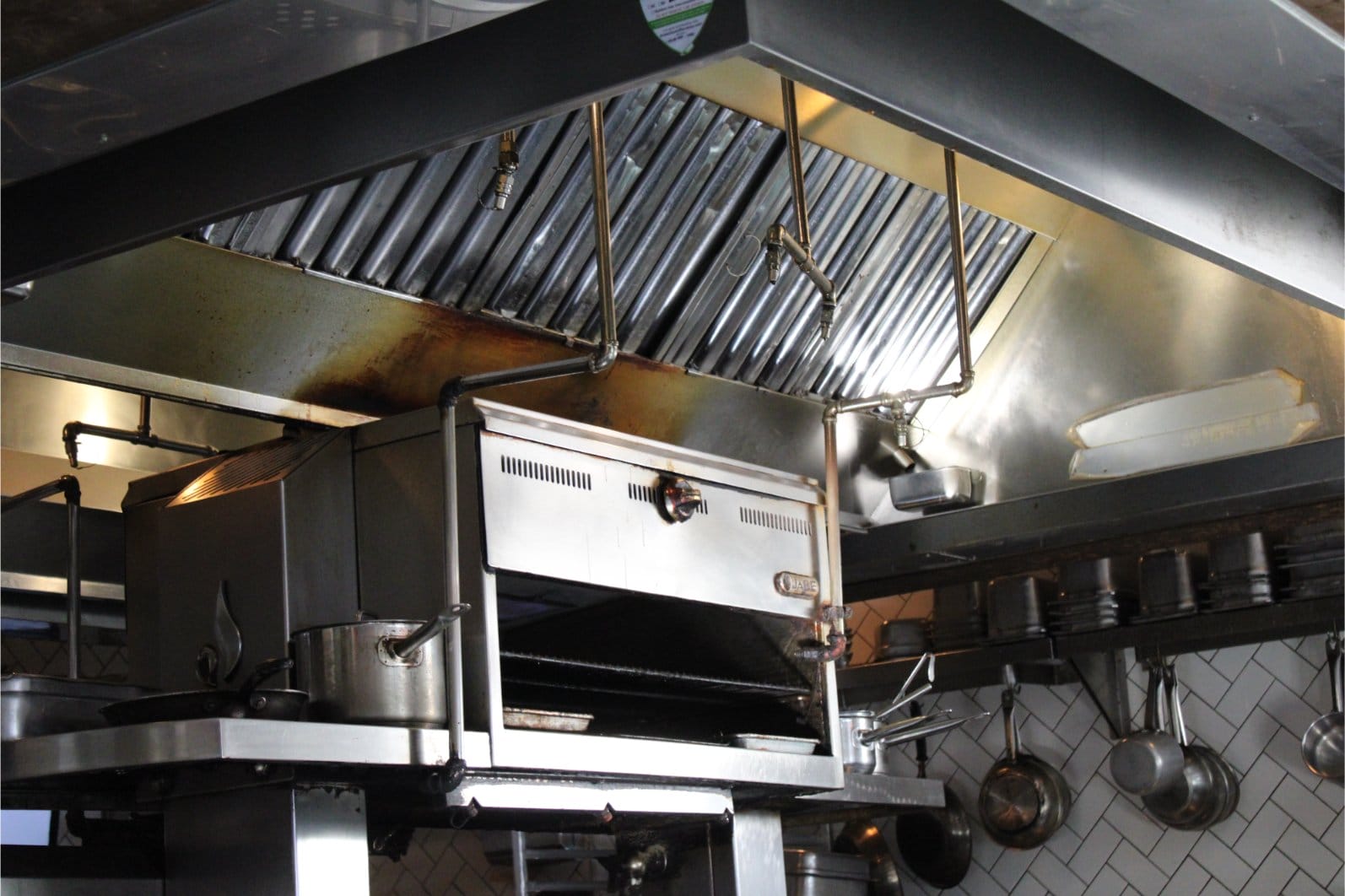
Stamford is one of Fairfield County’s most concentrated commercial kitchen markets. Downtown Stamford brings together restaurants, bars, corporate dining, hotel kitchens, and institutional food service in a small area, and each type of kitchen creates different cleaning demands.
Bedford Street, Summer Street, and Atlantic Street kitchens often sit in older mixed-use buildings serving dinner crowds, nightlife, and office towers. Harbor Point adds newer waterfront kitchens with longer vertical duct runs and more complex rooftop access. The buildings and the service schedules are not the same.
Kitchen Guard works across all of these environments, cleaning the full grease-bearing path to NFPA 96 requirements. We schedule around each kitchen’s operating hours and document every visit with photo-backed reports that give operators, facilities teams, and corporate kitchen managers a clear compliance record.
Ductwork, vertical risers, access points, and rooftop fan components. The full grease-bearing path, not just the visible hood. Cleaned to bare metal on every job.
Corporate cafeterias, executive dining rooms, hotel kitchens, and downtown restaurants do not create the same grease loads or service rhythm.
Downtown Stamford and Harbor Point jobs often involve vertical duct runs, rooftop fan access, and mixed-use coordination before service begins.
Written reports, photos, and clearly noted access limits give operators, facilities teams, and corporate kitchen managers a usable record after service.
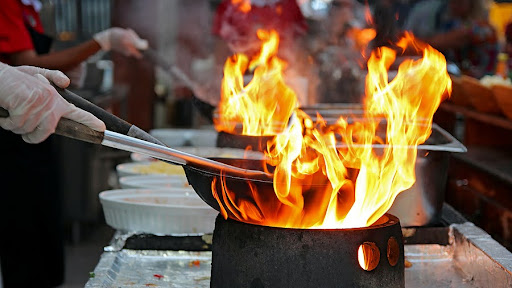
Kitchens do not all load grease the same way. Corporate cafeterias, executive dining rooms, hotel kitchens, downtown restaurants, and institutional food service each create different cooking volumes, equipment use, and service intervals.
A clean-looking hood does not reveal the whole story. Grease collects in the plenum, duct runs, vertical risers, and fan housing long before the system looks dirty from the floor.
At Kitchen Guard, we clean past the hood. We match the service schedule to each kitchen’s grease load and duct layout so buildup does not get ahead of the next visit.
A kitchen’s type changes the service schedule, and the building layout determines the access plan. What does not change is the need to clean and document the full grease-bearing path.
Cleaning frequency should follow cooking method, operating hours, and grease load, not a generic calendar interval.
If duct sections or fan areas cannot be fully reached, that is a deficiency. Kitchen Guard documents the issue and identifies the correction needed to allow full-system cleaning.
A compliant job should leave proof of what was cleaned, what was reached, and any visible deficiencies or system limitations.
For corporate properties, hotel kitchens, and institutional operations in Stamford, trusted overnight access and a kitchen left ready for the morning crew matters as much as the cleaning.
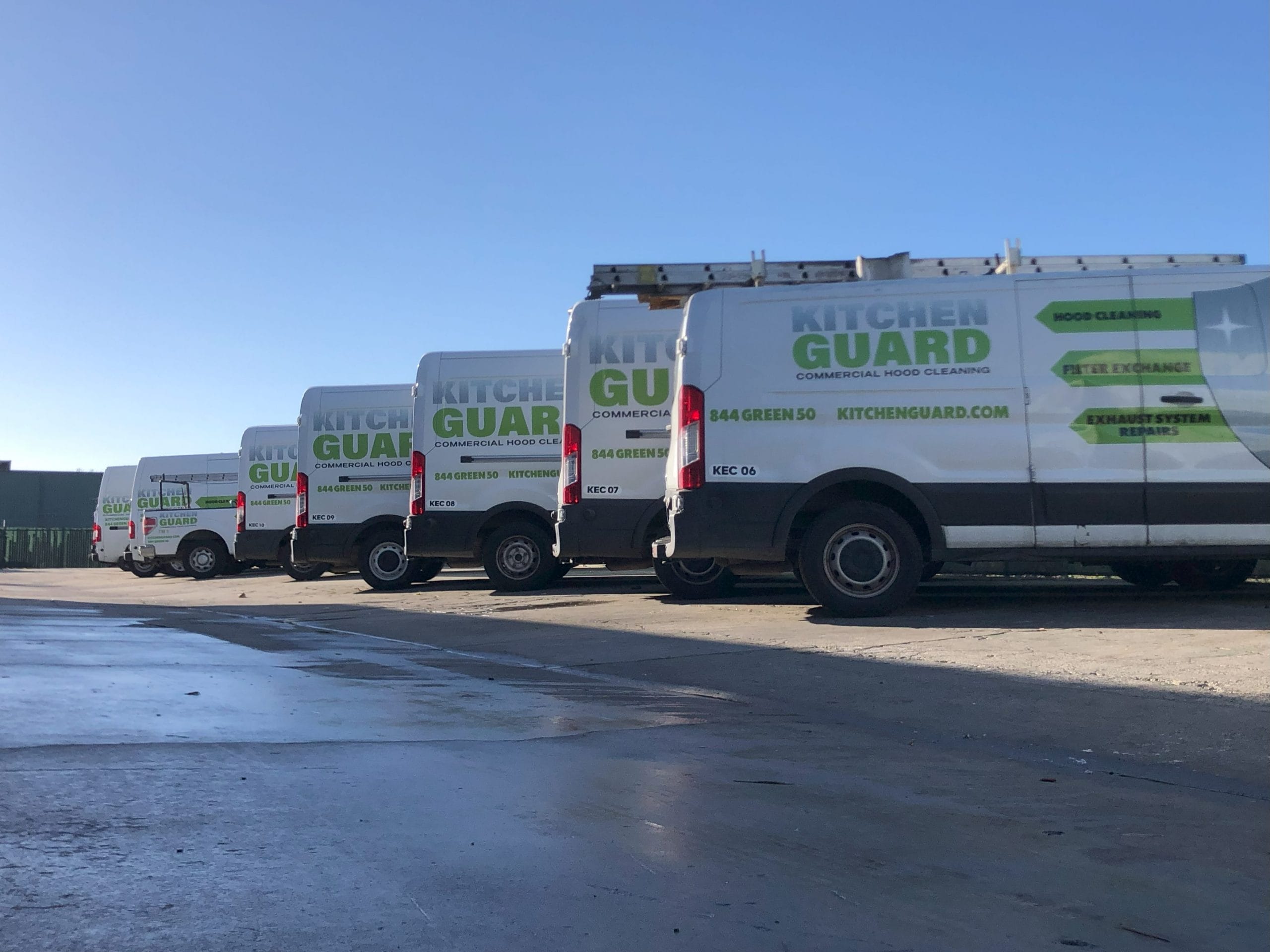
Kitchen Guard crews work overnight with the owner’s keys and alarm codes. All technicians are background-checked and uniformed. Every job is performed by Kitchen Guard’s trained team. No subcontracted labor, no inconsistency. Direct accountability on every visit.
Filters reinstalled, pilots relit, floors mopped, and a closure video shot before the crew leaves. The morning shift finds a kitchen ready to go.
These are the questions we hear most often from Stamford operators in Downtown Stamford, Harbor Point, and the Bedford Street corridor.
Frequency is dictated by NFPA 96 standards based on grease volume. Standard kitchens are often quarterly, while high-volume or solid-fuel operations may need monthly service. For a practical breakdown, read our article on kitchen exhaust cleaning frequency.
A downtown steakhouse with heavy charbroiling creates a massive grease load requiring frequent cleaning. A corporate cafeteria may run lower volume but still carries life-safety liability. We customize schedules so operators are never under-protected. For a practical breakdown, read our article on kitchen exhaust cleaning frequency.
The Stamford Fire Marshal’s Office expects a verifiable, NFPA 96-compliant record of a full-system cleaning. This includes the hood, horizontal ducts, and the rooftop fan. A sticker is just marketing; they want documentation that proves the hidden areas were actually reached.
Operators should receive a written report meeting NFPA 96 Section 12.6.15 requirements and 40–60+ GPS-stamped before-and-after photos. This digital paper trail is defensible proof for fire marshals, landlords, and insurance adjusters.
Operators should confirm roof access, alarm procedures, keys, tenant restrictions, and any rules for overnight work before the crew arrives. In multi-story or mixed-use buildings, duct routes and fan locations can be less straightforward than in standalone restaurants. Preparing those details in advance helps the crew reach the full grease-bearing path and reduces the chance that access problems prevent a complete cleaning.
With Kitchen Guard, that is the standard. Filters are reinstalled correctly, floors are cleaned, pilots are relit, and the kitchen is left ready for the next shift.
Kitchen Guard serves operators across Fairfield County from our operating location in Stamford. Use the links below to view the Fairfield County page and the other city-specific pages.


