
NFPA 96 Aligned
Full System Cleaning to Bare Metal
Ductwork, risers, access points, and rooftop fan components. The full grease-bearing path, not just the visible hood. Cleaned to bare metal on every job.

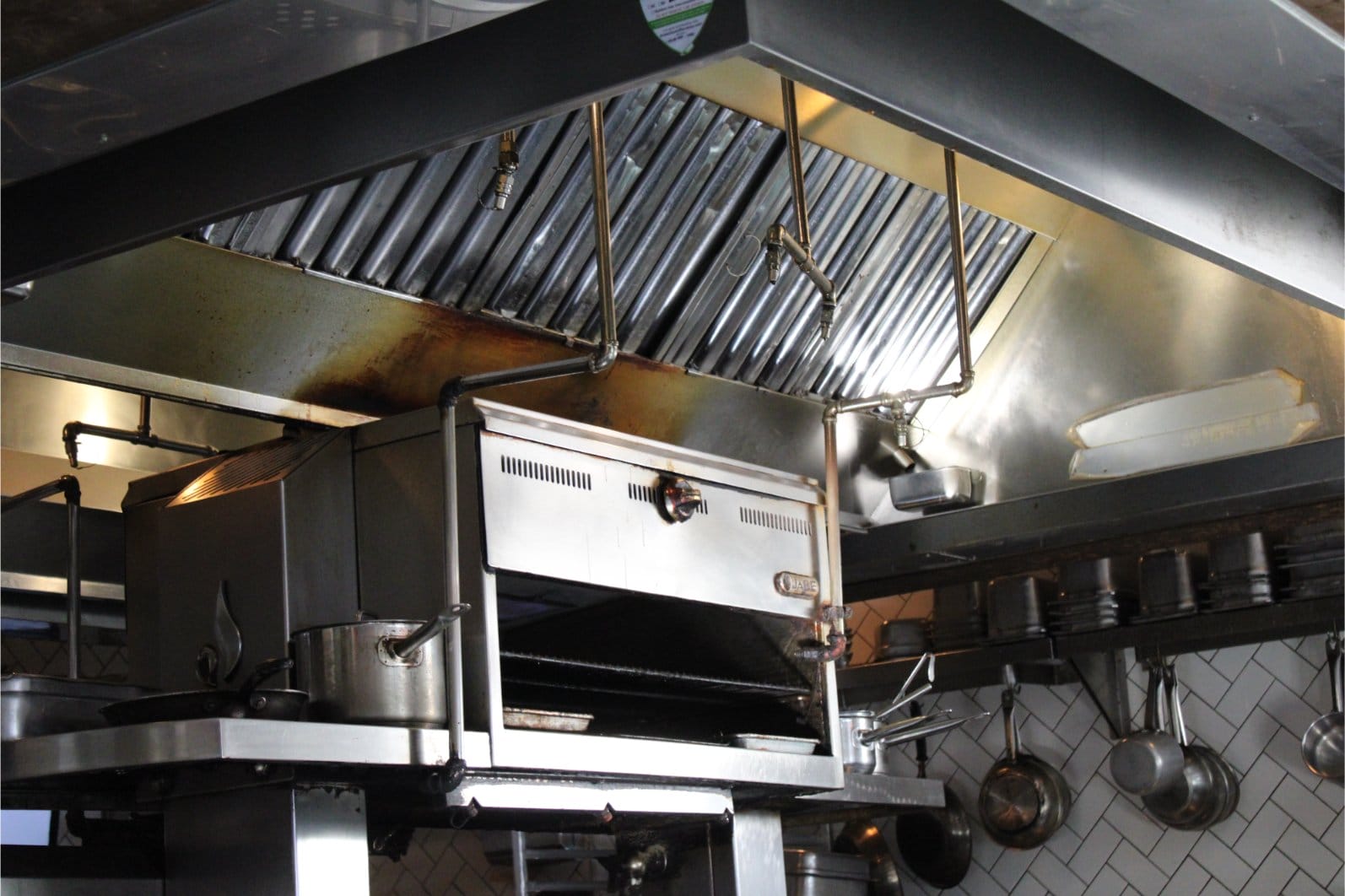
Fire marshals and insurance companies expect commercial kitchens to prove compliance through proper documentation. From mixed-use buildings to coastal rooftops, kitchens must meet high safety standards. Independent restaurants, event-heavy hotels, and institutions like Bridgeport Hospital, Norwalk Hospital, and dining facilities at Fairfield University all need thorough documentation to prove compliance.
A hood that looks visibly clean is not enough. NFPA 96 requires the entire grease-bearing path to be cleaned to bare metal, including duct runs, vertical risers, access points, and rooftop fan components. Busy restaurant corridors across Post Road, downtown Stamford, Greenwich Avenue, and South Norwalk see rapid grease buildup, much of it out of sight. Missing it can be costly and dangerous.
At Kitchen Guard, we clean the full exhaust system, from hood to fan, flag access issues and damage that could affect compliance, and provide photo-backed service records. Kitchen operators across the area, from independent spots in Bridgeport, Danbury, and New Canaan to well-known brands like Haven Hot Chicken, Five Guys, Roost, and Ugly Dumpling, trust us for hood cleaning.
Ductwork, risers, access points, and rooftop fan components. The full grease-bearing path, not just the visible hood. Cleaned to bare metal on every job.
Photo-backed reports, service records, and deficiency notes from every job. Documentation that holds up with fire marshals, landlords, and insurers. Not just a verbal “all set.”
Coastal exposure, older mixed-use buildings, dense restaurant corridors, and 23 separate town-level fire marshal jurisdictions. Our work is built for those local demands.
Locally owned and operating across Fairfield County. Responsive scheduling, clear follow-through, and a team that understands the property mix and inspection expectations here.
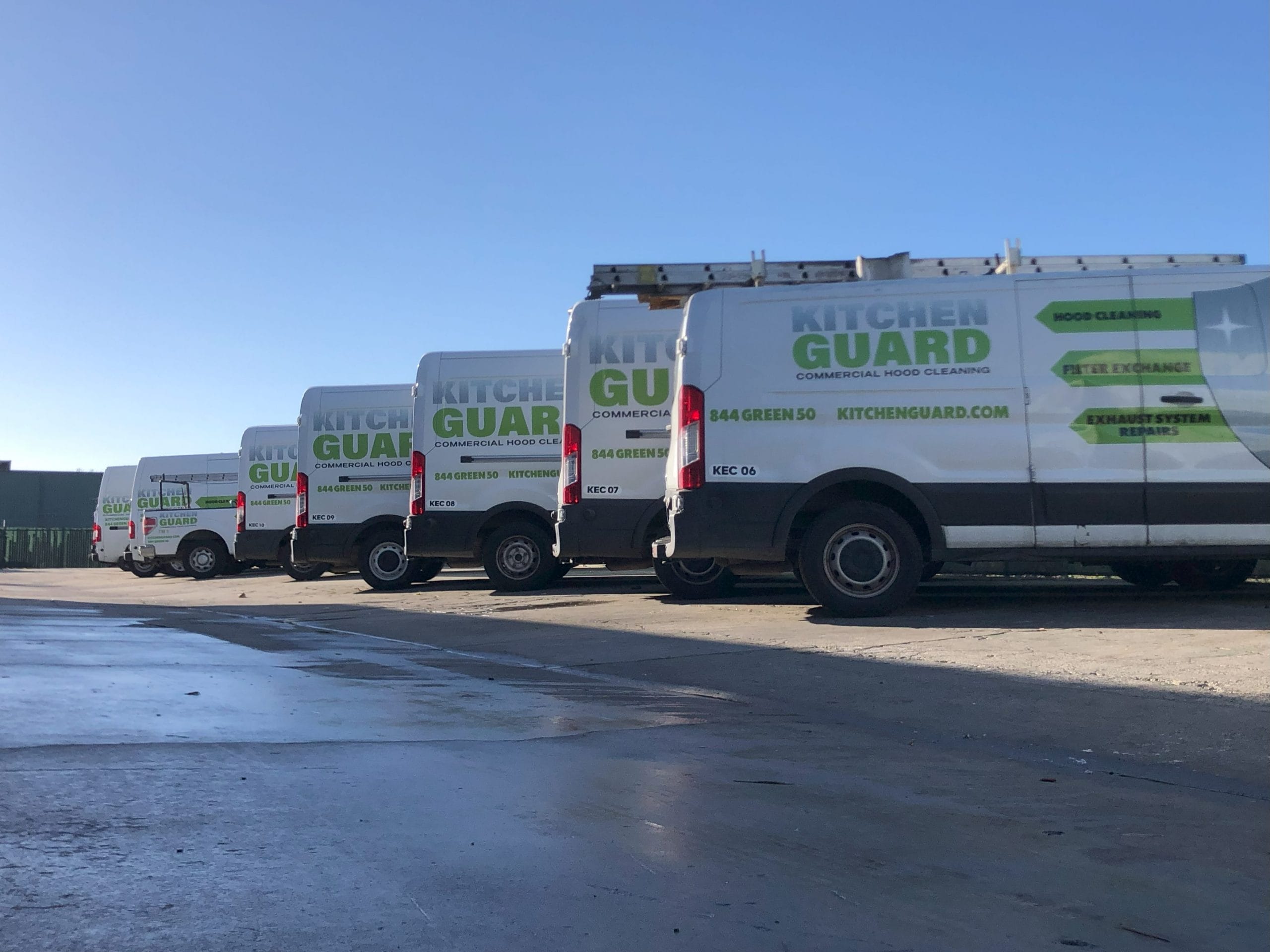
Long duct runs, vertical risers, and rooftop fans accumulate hidden grease that creates serious fire risk. A system can look clean to staff while still exposing the operator, the building, and neighboring tenants to a much larger problem.
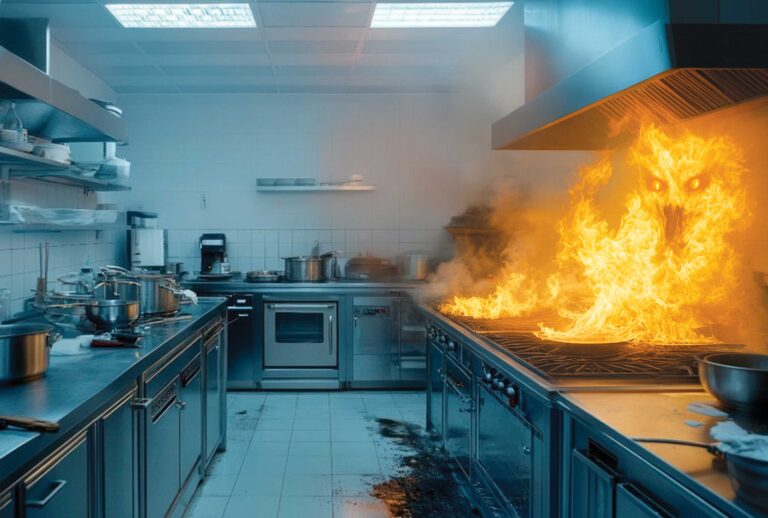
Fairfield County witnessed this in 2025. Fires affected a Post Road restaurant in Fairfield, the Early Bird Cafe in Ridgefield, and multiple businesses in a downtown Stamford corridor. In mixed-use and densely occupied buildings, the damage rarely stops at the kitchen where the fire began.
At Kitchen Guard, we clean the whole system, from the canopy and ductwork to the rooftop fan. Every action is documented, so when a fire marshal opens an access panel or fan housing, your records are ready. No surprises during inspection, total confidence when your insurer asks questions.

Local Fire Marshal looks beyond the minimum. Operators need access, records, and service intervals that hold up during real inspection workflows.
AHJ expectations vary by town. We make sure your documentation and service records are ready regardless of how your local inspection runs.
Missing access and worn rooftop components make systems harder to clean and verify. We know where those weak points show up.
Photo-backed reports and service records that hold up under scrutiny, whether it’s a fire marshal, an insurer, or a landlord asking.
We don’t just clean and leave. Every visit identifies what needs attention, documents what was done, and helps you stay ahead of the same issues coming up at your next inspection.
Missing access panels, worn fan components, and related deficiencies can affect system cleaning and verification. Fairfield County’s older mixed-use and coastal-exposure buildings show those issues more often than operators expect.
If anything gets in the way of a thorough clean, we fix or flag it for you. Nothing gets missed, and nothing catches you off guard. We work with operators long-term through scheduled visits, high-quality records, and a maintenance history that holds up during inspections.
These are the questions we hear most often from Fairfield County operators, facilities teams, and commercial kitchen managers.
It depends on grease load, cooking volume, system design, and local AHJ expectations. Many kitchens need service more often than the calendar suggests. For a practical breakdown, see our Kitchen Exhaust Cleaning Frequency Chart.
Full-system cleaning goes beyond the visible hood. It includes filters, plenum, ductwork, access points, and rooftop fan components across the full grease-bearing path. For more detail, see Restaurant Vent Hood Cleaning: Beyond Basic Hood Maintenance.
Generally, no. NFPA 96 requires bare-metal cleaning of the full accessible grease-bearing path, not just the visible hood. That includes access panels, openable duct sections, and rooftop fan areas. Inspectors look into those spaces, and hidden grease there is what often causes the real problem.
Review the deficiency notes before the next inspection window and separate urgent life-safety issues from maintenance items. Common examples include missing access panels, damaged fan components, worn filters, or areas that could not be fully reached. The important step is to create a documented follow-up plan, because an unresolved deficiency can continue to appear during fire marshal, landlord, or insurance review even if the visible hood looks clean.
Yes. Kitchen Guard provides photo-backed reports, service records, and deficiency notes that document what was cleaned and identify anything that still needs attention. That documentation helps when a fire marshal, landlord, insurer, or facilities team asks for proof of service or follow-up.
Yes. Kitchen Guard serves operators across all 23 Fairfield County towns, including Greenwich, Stamford, Norwalk, New Canaan, Bridgeport, and Danbury. If you operate in Fairfield County, we can support your kitchen exhaust cleaning, documentation, and inspection-readiness needs.
Kitchen Guard serves operators across Fairfield County from our operating location in Stamford. Use the links below to view the city-specific pages.


