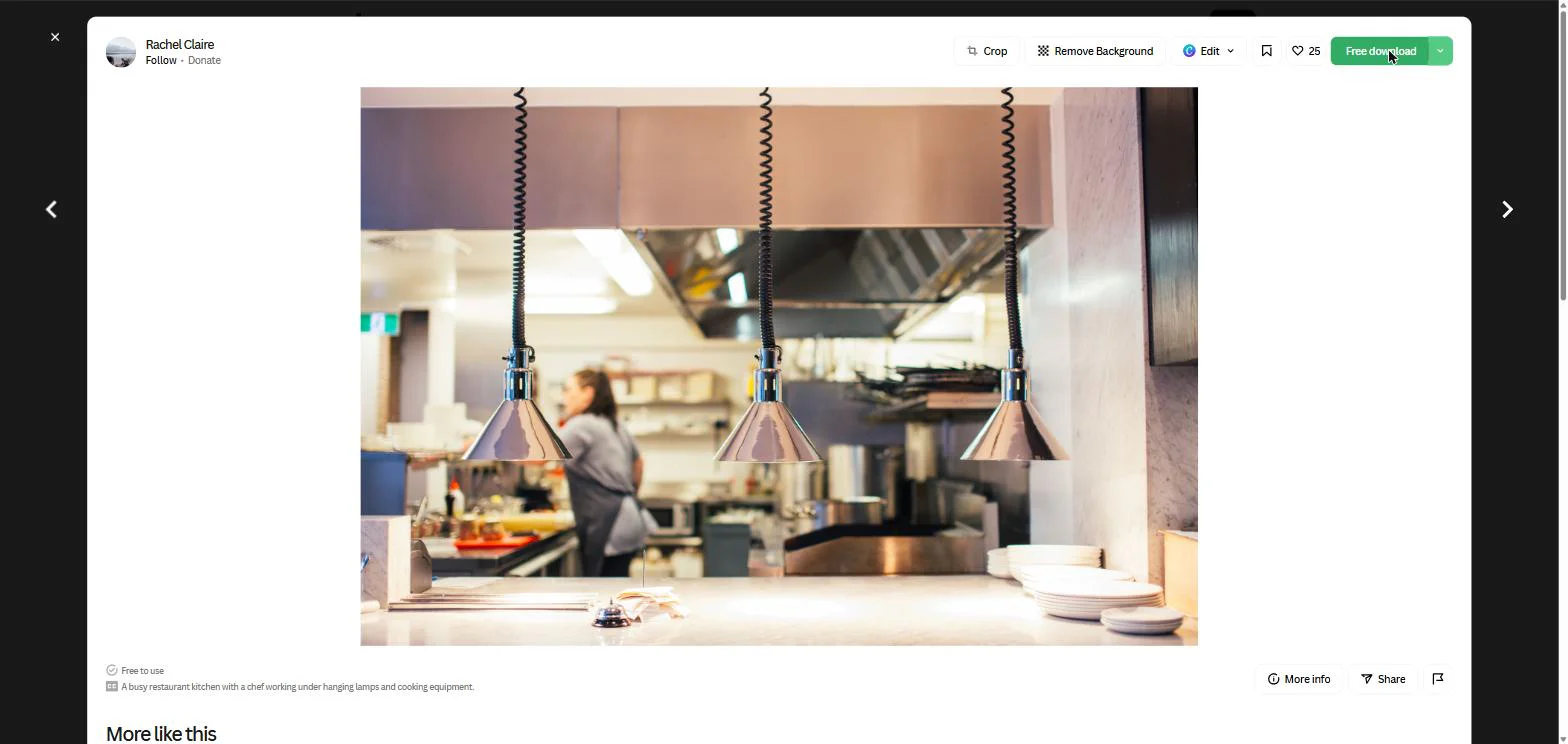
What Dallas Fire-Rescue Looks for in a Commercial Kitchen Inspection
If you’ve received a Notice of Violation from Dallas Fire-Rescue, or you’re just trying to stay ahead of your next inspection, it helps to know exactly what a Fire Prevention Officer is looking at when they walk into your kitchen. The checklist is more specific than most operators realize — and the items that get kitchens shut down are almost always the same ones.

Who Conducts Dallas Fire-Rescue Commercial Kitchen Inspections?
Dallas Fire-Rescue’s Fire Prevention and Inspection Bureau handles commercial fire code enforcement across the city. The bureau operates under the Dallas Fire Code, which adopts NFPA 96 as the standard for commercial cooking operations. Inspections can be triggered by a new Certificate of Occupancy application, a routine scheduled visit, a complaint, or a post-fire investigation.
Fire Prevention Officers in Dallas are authorized to enter any commercial establishment during business hours. They don’t need to announce an inspection in advance — which means your kitchen needs to be inspection-ready at all times, not just when you’re expecting someone.
The Dallas Fire-Rescue Kitchen Inspection Checklist
Here’s what officers are specifically looking for in a commercial kitchen exhaust system inspection:
Hood and Exhaust System Cleanliness
Grease accumulation is the top cause of commercial kitchen fires in Dallas. Officers check the hood surfaces, interior ductwork, and exhaust fans for visible grease buildup. They’ll often use a probe or flashlight to inspect inside the duct — and they know what heavy accumulation looks like. A kitchen that hasn’t been cleaned to NFPA 96 standards will fail immediately.
Cleaning Certificates and Service Logs
Inspectors will ask to see documentation from your last hood cleaning service — a certificate showing the date, scope, and company name. If you can’t produce it on the spot, that’s a violation regardless of how clean your hood looks. For a full breakdown of how documentation requirements work and what’s at stake if you’re missing records, see how cleaning frequency and documentation work together.
Grease Filters
Filter violations are more nuanced than most operators expect. Officers check that filters are the correct size for the hood opening — gaps between filter banks are a common write-up, especially in kitchens where equipment has been swapped out but the hood wasn’t adjusted. They’ll also look at how the filters are seated: a filter propped at an angle or slightly pulled forward is a red flag, and inspectors know that trick because some kitchen staff prop them out to reduce noise or improve airflow when things are backed up.
Beyond fit, officers look at condition. Baffle filters with bent or broken fins don’t capture grease the way they’re designed to — grease that bypasses the filters ends up in the plenum and ductwork, which accelerates buildup and increases fire risk. A drip channel that’s overflowing or a filter that’s visibly saturated tells an inspector the kitchen is behind on maintenance, not just overdue on cleaning.
Fire Suppression System
Your hood’s fire suppression system must have a current service tag showing it was inspected within the last six months. Officers will check the tag date, verify the system hasn’t been tampered with, and confirm the nozzles are properly positioned over cooking equipment. An expired suppression system is one of the most serious violations — it can result in an immediate closure order.
Ductwork Access Panels
NFPA 96 requires access panels at regular intervals along the ductwork so the entire system can be cleaned and inspected. If your ductwork doesn’t have adequate access panels — or if existing panels are sealed shut and can’t be opened — that’s a code violation. This is common in older buildings in neighborhoods like Deep Ellum and the Design District where kitchens have been retrofitted over the years.
Rooftop Grease Containment
Dallas Fire-Rescue also checks the rooftop exhaust fan and surrounding area for grease runoff. Grease that pools on a roof is a fire hazard — and it’s one that’s visible during aerial inspections or complaints from neighboring businesses. Restaurants in multi-tenant buildings, like strip centers in North Dallas or Uptown, are particularly vulnerable to this violation because grease can migrate across shared rooflines.
What Happens If You Fail a Dallas Fire-Rescue Inspection?
A failed inspection results in a Notice of Violation with a compliance deadline — typically 30 days for most deficiencies. More serious violations, like a non-functional fire suppression system or extreme grease accumulation, can result in an immediate closure order until the issue is corrected and a re-inspection is passed.
Re-inspection fees apply, and repeat violations can escalate to fines and citations. For restaurants operating on thin margins — which is most of them — a closure order even for a day or two during a busy period can be devastating.
The Single Biggest Reason Dallas Kitchens Fail When They Thought They Were Fine
It’s almost never a surprise grease fire or a broken suppression nozzle. Most kitchens that get a Notice of Violation thought they were clean. The problem is usually a certificate gap — the hood was cleaned, but the service company didn’t leave paperwork, or the certificate is stored somewhere no one can find it on the day of the inspection.
Dallas Fire-Rescue officers see this constantly. The hood looks reasonably clean, the filters are in place, but there’s no dated certificate from a licensed hood cleaning company. Under the Dallas Fire Code, that’s a documentable violation. An inspector can’t take your word for it, and they won’t.
The practical fix is simple: after every cleaning, make sure the certificate goes into a folder that stays near the hood — not in the manager’s office, not on someone’s phone. Tape a copy to the inside of the equipment room door if you have to. The certificate needs to be on-site and findable in under two minutes, because that’s about how long an inspector will wait before marking it as unavailable.
If you want to understand the underlying standards that govern all of this, the NFPA 96 overview for DFW restaurants breaks down what the standard actually requires — and why Dallas Fire-Rescue uses it as their baseline. Or if you’re ready to get your documentation in order, reach out to Kitchen Guard and we’ll get your kitchen on a schedule that keeps you covered before anyone shows up at the door.