
NFPA 96 and Your DFW Restaurant: What the Standard Actually Requires
If you run a commercial kitchen in the Dallas-Fort Worth area, you’ve probably heard of NFPA 96 (view the full standard) — maybe from an inspector, your insurance carrier, or a close call with a grease fire. But a lot of operators don’t know exactly what it covers, or what their local fire authority is actually watching for. Here’s what you need to know.
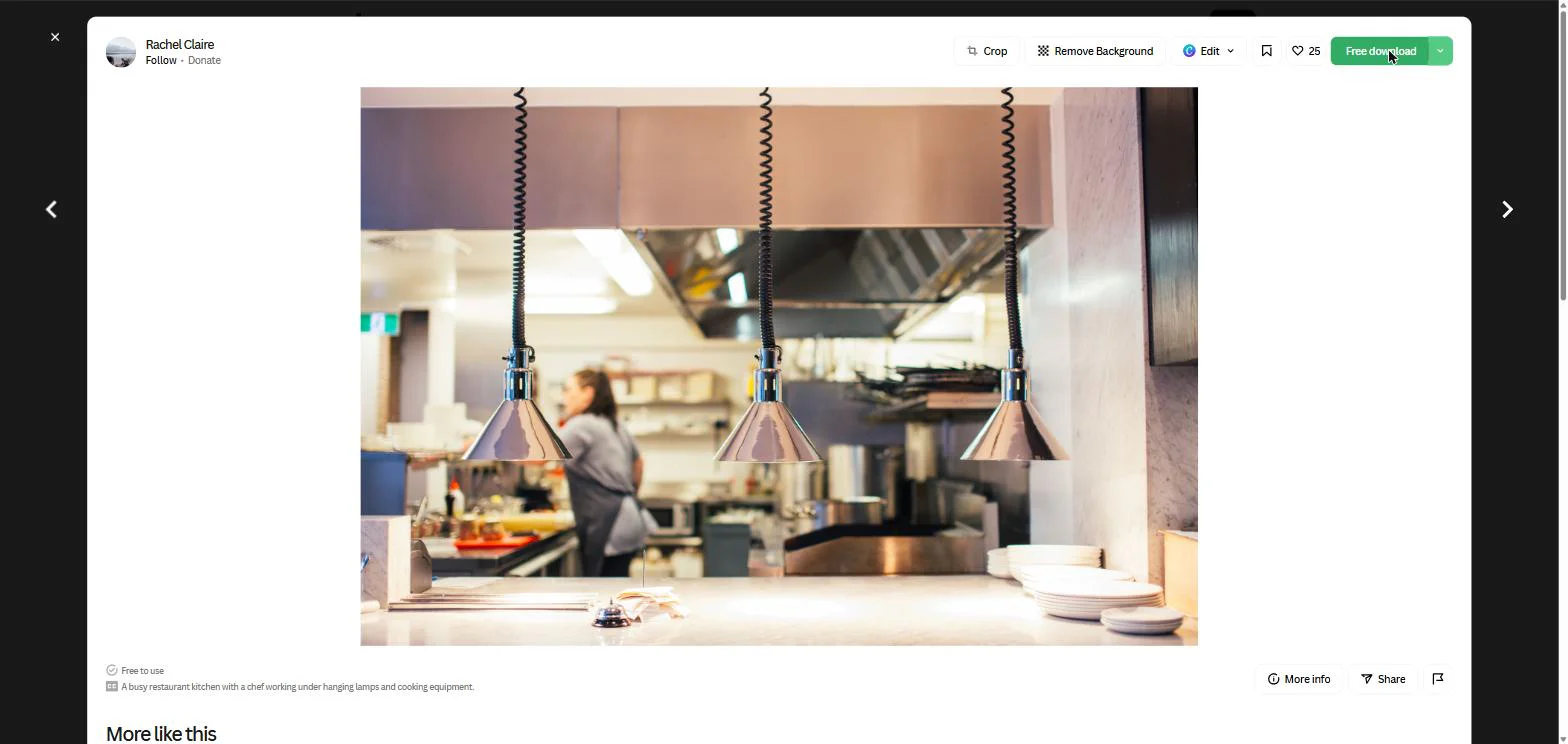
What Is NFPA 96?
NFPA 96 is the Standard for Ventilation Control and Fire Protection of Commercial Cooking Operations — the national rulebook for commercial kitchen exhaust systems. It governs everything from how your hood is installed to how often it gets cleaned, and it applies to any establishment doing commercial cooking: restaurants, hotels, food trucks, schools, and more.
In Dallas, the Dallas Fire-Rescue Fire Prevention and Inspection Bureau is responsible for enforcing the fire code — and NFPA 96 is the standard they work from when they walk into a commercial kitchen. In Fort Worth, that enforcement falls under the Fort Worth Fire Department. Both departments conduct routine commercial inspections, and neither one is lenient when it comes to grease buildup in exhaust systems.
NFPA 96 Cleaning Schedules: How Often Does Your Hood Need Service?
This is where a lot of kitchens get caught. NFPA 96 doesn’t set one universal cleaning schedule — it depends on how heavily your kitchen runs:
- Monthly — Solid fuel cooking (wood-fired, charcoal, mesquite) and 24-hour high-volume operations
- Quarterly — High-volume operations: wok cooking, charbroiling, food trucks, sports venues
- Semiannually — Full-service and fast-casual restaurants, pizzerias
- Annually — Low-volume: churches, day care facilities, seasonal kitchens
Think about the breakfast-and-lunch diners along Camp Bowie in Fort Worth, the late-night taco spots in Deep Ellum, or the hotel kitchens in Las Colinas running banquet service on weekends — each of those operations has a different cleaning frequency requirement. The schedule isn’t one-size-fits-all, and getting it wrong is one of the most common reasons Dallas-area kitchens fail inspections.
When a Dallas Fire-Rescue inspector or Fort Worth Fire Department officer visits, they’ll ask to see your cleaning logs and compliance certificates. If you can’t produce them, you’re looking at fines and potentially being shut down until you can prove compliance.
What Inspectors Are Actually Looking For
NFPA 96 sets the standard, but the inspection itself covers more than just grease buildup — it includes ductwork access panels, fire suppression system certification, filter condition, rooftop grease containment, and your cleaning documentation. Dallas Fire-Rescue and Fort Worth Fire Department officers both work from the same underlying standard, but the inspection experience has its own nuances. If you operate in Dallas, here’s exactly what Dallas Fire-Rescue looks for in a commercial kitchen inspection — item by item.
What Happens If You Fail?
A failed inspection can mean a Notice of Violation, re-inspection fees, and mandatory remediation before you’re cleared to operate. In serious cases — significant grease buildup, a fire suppression system that’s out of compliance, or missing access panels — the kitchen can be shut down on the spot.
It’s not just a regulatory risk, either. Grease fires are one of the leading causes of commercial kitchen fires across North Texas, and an uncleaned exhaust system is the main reason they spread. The Dallas Fire-Rescue department responds to dozens of commercial kitchen fires every year — and in most cases, deferred hood maintenance is a contributing factor.
How Kitchen Guard Keeps You on Track
Kitchen Guard serves commercial kitchens throughout the DFW Metroplex — from neighborhood taquerias in Oak Cliff to hotel kitchens in Las Colinas, Uptown bars, and Southlake dining rooms. Our hood cleaning service covers the full NFPA 96 scope: every cleaning comes with before-and-after photo documentation and a compliance certificate you can hand to any Dallas Fire-Rescue or Fort Worth Fire Department inspector on the spot.
We track your cleaning schedule so you’re never left scrambling when an inspection comes around. Schedule a consultation and we’ll build a plan that fits how your kitchen actually runs.

