Fire Marshal–Ready: How Houston Restaurants Can Prep Their Kitchen Exhaust System for Inspection (Without Last-Minute Scrambling)

Houston restaurant operators don’t usually get caught off guard by inspections because they “don’t care.” It happens because the kitchen exhaust system isn’t inspection-ready on inspection day—or because the right proof-of-service isn’t easy to produce when someone asks for it. A hood system can look fine from the cook line while grease is building up where you can’t see it: inside the ductwork, around access points, and at the exhaust fan on the roof.
This guide walks through a practical, Houston-metro approach to getting fire marshal–ready without last-minute scrambling. You’ll learn what to check in the hood, duct, and fan; which red flags tend to trigger follow-up questions; and what documentation helps you show your system is being maintained responsibly.
If you want a faster path to “ready,” you can request a Houston hood cleaning quote and get a clear plan for your kitchen exhaust system—so you’re not trying to fix everything the week an inspection is scheduled.
What “inspection-ready” really means for a kitchen exhaust system
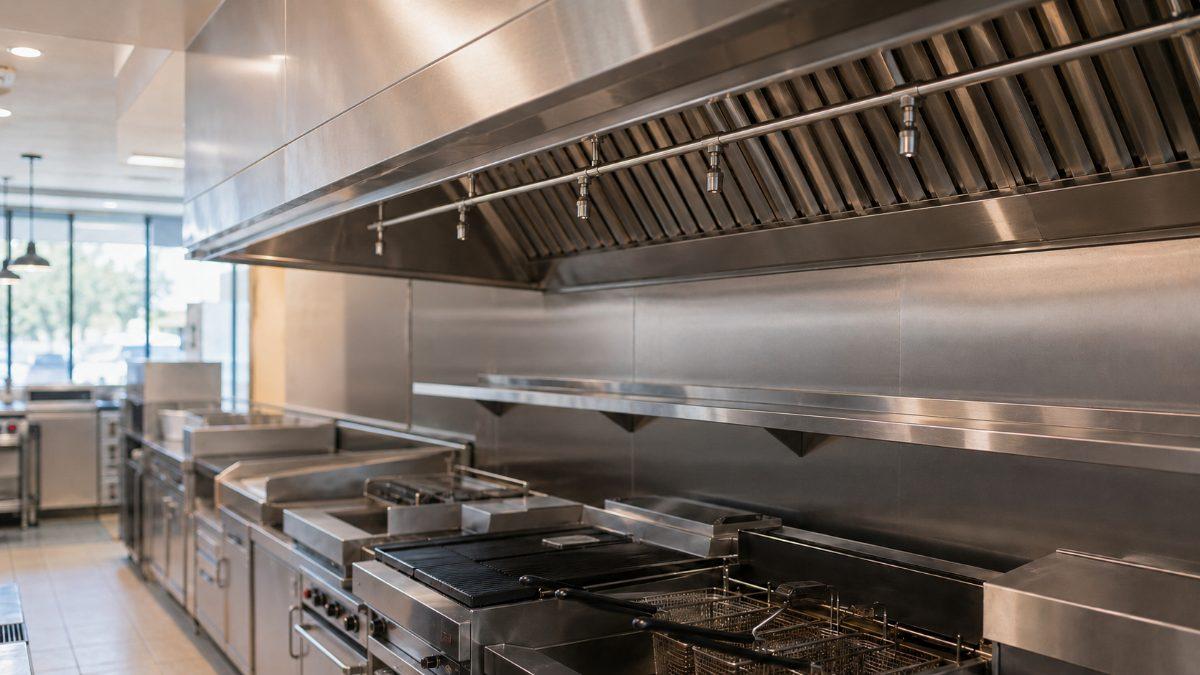
“Inspection-ready” isn’t just about a clean-looking canopy and filters. It’s about the full system being maintained and defensible:
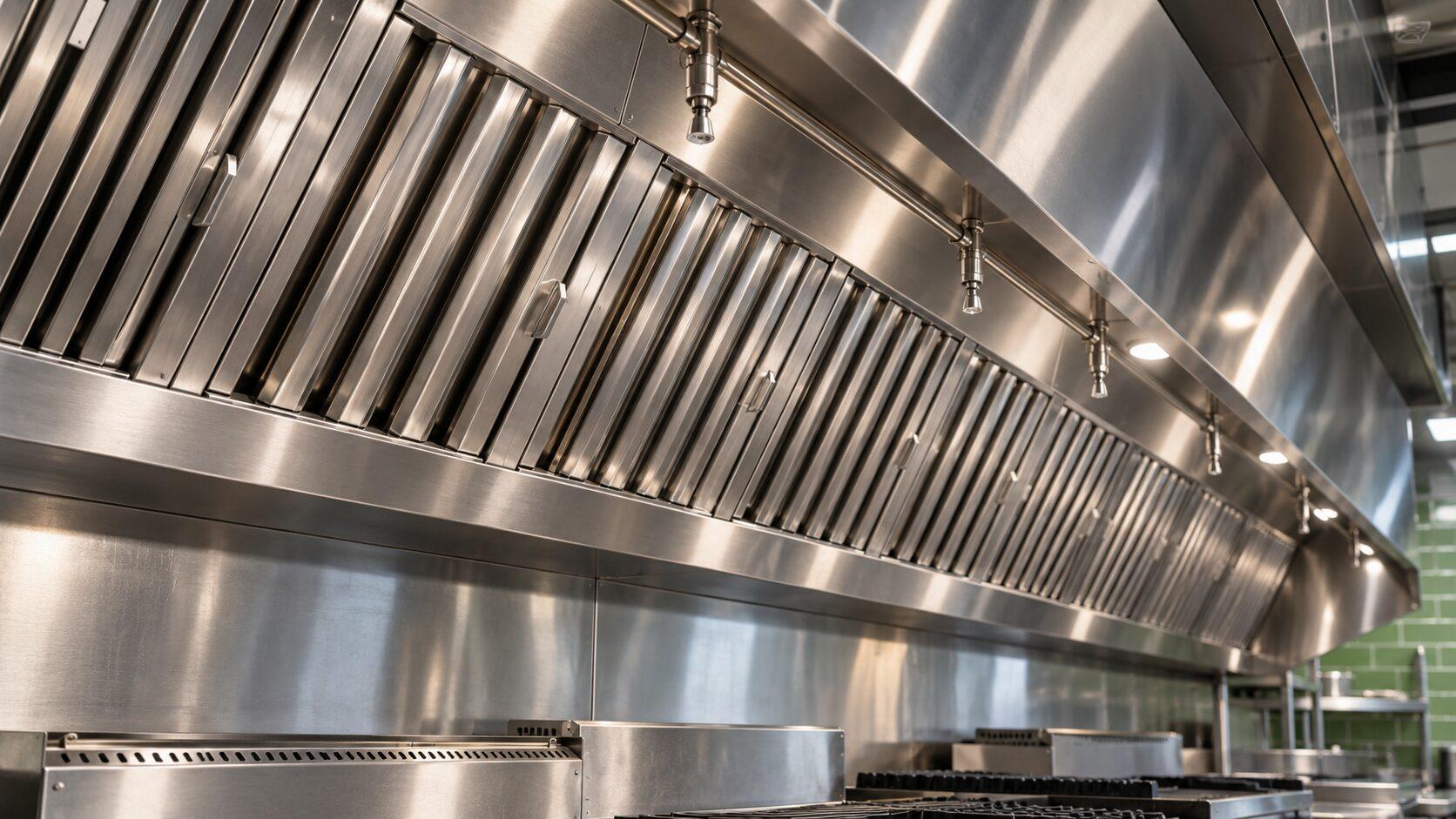
- The hood canopy, grease troughs, and filters are clean and properly installed.
- The ductwork is accessible and serviceable (access panels where required by code, and not blocked).
- The rooftop exhaust fan is clean and operating correctly.
- The surrounding roof area is free of grease residue that suggests ongoing overflow or missed cleaning.
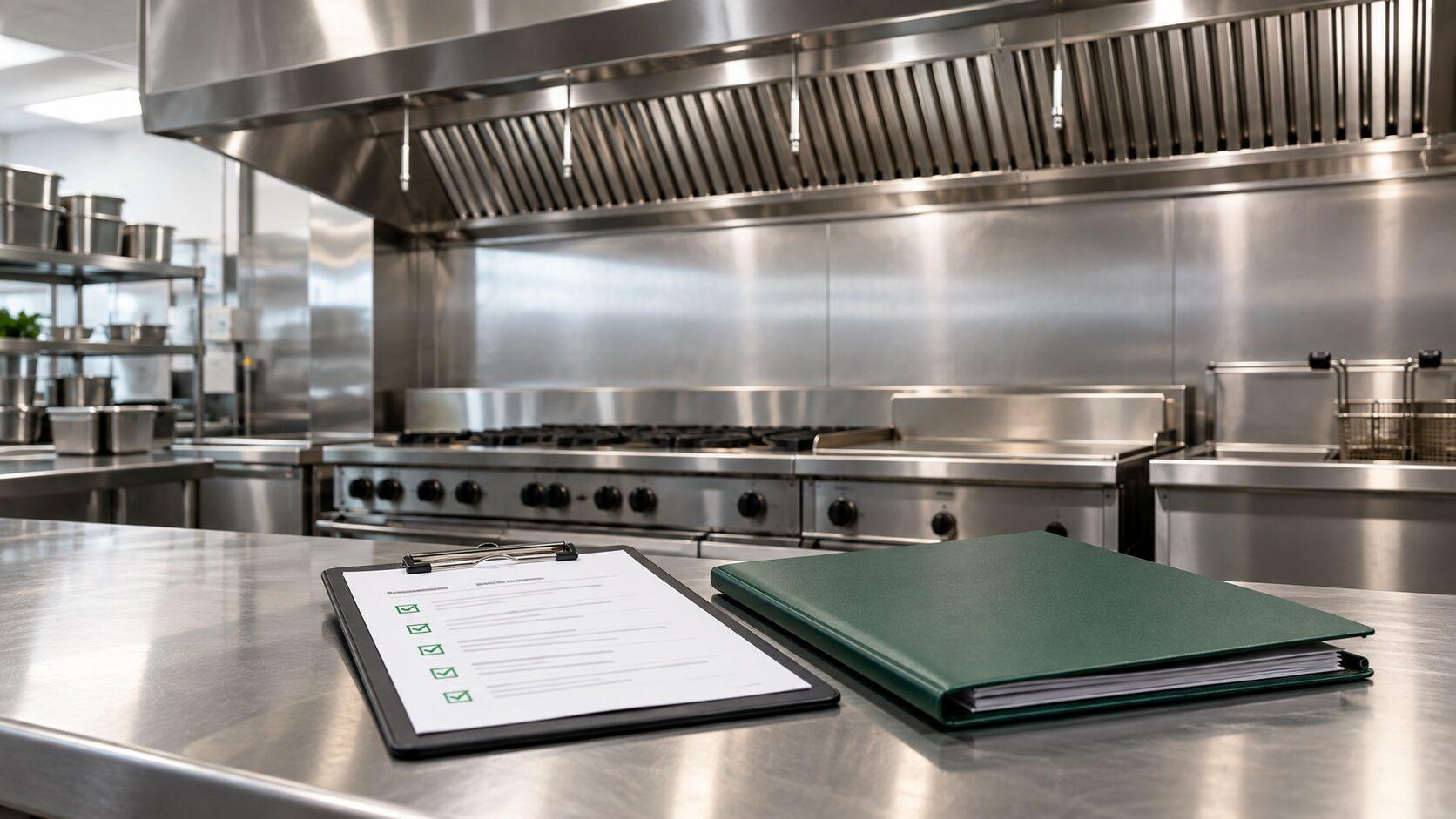
- You can produce documentation quickly: service reports, before-and-after photos, and notes on any repairs.
For operators in Houston and the surrounding metro, this matters because high-volume service, long cook hours, and hot/humid conditions can make odor complaints and visible residue show up faster—especially when the system is overdue or not properly cleaned.
What inspectors and authorities care about (and why Houston operators feel the pressure)
Inspection expectations can vary by jurisdiction and facility type, but the theme is consistent: reduce fire risk, keep systems operating safely, and maintain records.
For local reference points, it’s worth knowing where to find official information and contacts:
- The Houston Fire Marshal’s Office (City of Houston) is a key authority for enforcement of fire prevention.
- The Harris County Fire Marshal’s Office regulatory inspection information is relevant for facilities in Harris County (especially outside certain city limits).
- Food safety and inspection programs can also influence operational expectations; Harris County provides a public-facing portal for Harris County Public Health food establishment information.
At the national level, the standard most operators hear referenced is NFPA 96. If you need an authoritative starting point (without turning this into a code deep-dive), the NFPA 96 standard development page is a reliable reference.
The most common “red flags” that trigger questions during an inspection
If you want to avoid last-minute surprises, focus on the issues that tend to be obvious—or easy to verify—when someone takes a closer look.
1) Visible grease residue on canopy edges, seams, and behind filters
Filters can look “okay” while grease is building in seams, corners, and behind baffles. That residue is a signal that the system may be overdue or that cleaning hasn’t reached the areas where grease accumulates.
2) Duct access points that are blocked, missing, or hard to service
If access panels are blocked by equipment, storage, or build-outs, it’s harder to clean the ductwork properly. Even if the hood looks clean, the duct and fan are still part of the risk profile.
3) Rooftop exhaust fan buildup and roof contamination
The fan is where missed cleaning becomes obvious. Grease at the fan, hinge points, and surrounding roof area can indicate ongoing overflow, incomplete service, or a system that needs attention.
4) Documentation gaps
Even when the system is maintained, operators can lose time (and credibility) if they can’t quickly produce:
- Service dates
- Scope of work (hood, ductwork, fan)
- Before-and-after photos
- Notes on any repairs or follow-up recommendations
If your goal is to be inspection-ready, documentation is part of the job—not an afterthought.
Houston-metro reality: why exhaust issues can “show up faster” in hot, humid operations
Houston kitchens run hard. Long service hours, high-output menus, and constant HVAC load can make the environment feel heavier—especially in warmer months. In day-to-day operations, that can translate into:
- Faster odor complaints
- More noticeable residue on surfaces near the hood line
- A quicker shift from “we’re probably fine” to “we need to address this now”
That’s why inspection readiness is best treated as a routine operating standard, not a once-a-year scramble.
A practical inspection-prep checklist (hood, duct, fan, and records)
Use this checklist as a working pre-inspection routine. It’s designed to help you spot issues early and schedule service before you’re under a deadline.
In the kitchen (hood + filters)
- Filters are seated correctly and not missing.
- Grease troughs and collection areas are clean.
- Hood canopy corners, seams, and edges are free of heavy residue.
- The area behind filters is not coated with grease.
If you need full-system service, start with professional commercial hood cleaning in Houston so the canopy, ductwork, and fan are addressed as one system.
In the ductwork (access + serviceability)
- Access panels are present where needed and not painted shut.
- Panels are reachable (not blocked by storage, equipment, or build-outs).
- There’s no obvious leakage or grease staining around seams.
If you suspect access issues or mechanical problems that prevent proper cleaning, it may be time to evaluate commercial kitchen exhaust repairs in Houston so the system can be cleaned and maintained correctly.
On the roof (exhaust fan + surrounding area)
- Fan operates correctly and is not wobbling or vibrating.
- Hinge kit and service points are functional (so the fan can be opened for cleaning).
- Fan housing and surrounding roof surface are not coated with grease residue.
In your records (proof-of-service)
Create a simple “inspection-ready” folder (digital or physical) that includes:
- Service reports with dates and scope
- Before-and-after photos
- Notes on any repairs or follow-up work
- A simple schedule showing when the next service is planned
The documentation that helps you look organized (and reduces back-and-forth)
The fastest way to reduce inspection stress is to make your documentation easy to produce. A clean system plus clear records is a strong combination.
Here’s what to keep:
- Service report that clearly states what was cleaned (hood, ductwork, fan)
- Before-and-after photos that show condition and completeness
- Repair notes if anything was fixed or replaced
- Consistency over time (a history of service is more convincing than a single “last-minute” cleaning)
If you’re not sure whether your ductwork and rooftop fan are truly clean—or whether your records would hold up under review—schedule a Houston commercial hood cleaning service and we’ll help you get the system and documentation aligned.
Small operational moves that support inspection readiness year-round
Inspection readiness is easier when you remove friction from daily operations.
Keep filters on a consistent routine
If filters are damaged, missing, or not seated correctly, it’s a visible problem. For many operators, a predictable exchange program is simpler than trying to “stretch” filters past their useful life. Consider hood filter exchange service in Houston to keep airflow and capture performance consistent.
Don’t ignore the “outside the hood” signals
Grease residue on nearby surfaces, persistent odor, or smoke that doesn’t clear well can be early signals that the system needs attention beyond surface cleaning.
Address surrounding exterior conditions
If your inspection readiness plan includes the broader facility (pads, walkways, service areas), periodic cleaning can help reduce slip hazards and keep the property looking managed. For exterior surfaces, commercial pressure washing in Houston can support a cleaner, safer environment around the building.
Closing: consistency beats urgency
When you want to stay ahead of inspections, consistency beats urgency. Book your Houston kitchen exhaust cleaning service and get professional documentation that supports safer operations and smoother inspections. Prefer to talk it through first? Call 713-489-0790.
FAQs
What does “fire marshal–ready” mean for a kitchen exhaust system?
“Fire marshal–ready” means your hood, ductwork, and exhaust fan are maintained to a professional standard, with grease buildup controlled throughout the system—not just where it’s visible. It also means you can quickly provide proof-of-service (service reports and supporting documentation) that shows your exhaust system is being cleaned and maintained on an appropriate schedule.
What are the most common inspection red flags in hood and exhaust systems?
Common red flags include visible grease residue on the hood canopy or filters, heavy buildup at duct access points, and grease accumulation at the rooftop exhaust fan and surrounding roof area. Another frequent issue is documentation: missing service records, unclear dates, or reports that don’t specify what parts of the system were cleaned.
Why do Houston restaurants feel exhaust issues can “show up faster”?
Houston’s heat and humidity can make kitchens run harder—longer HVAC cycles, heavier cooking loads, and more moisture in the air. In real operations, that can translate into faster odor complaints, more noticeable residue, and a quicker path from “we’re probably fine” to “we need to address this now,” especially in high-volume service environments.
What documentation should I keep to prove my exhaust system is being maintained?
Keep organized service reports that list the date, scope of work (hood, ductwork, fan), and any notes on access panels or areas requiring follow-up. Before-and-after photos are especially helpful for showing condition and completeness. If repairs are needed, keep repair notes and invoices together with your cleaning records so your file tells a complete story.
How far in advance should I schedule hood and exhaust cleaning before an inspection?
The safest approach is to avoid timing service “right before” an inspection and instead maintain a consistent cleaning cadence that matches your cooking volume. If you’re already close to an inspection date, schedule as soon as possible so you have time to complete cleaning, address any needed repairs, and organize documentation—without rushing decisions under pressure.