Restaurant Hood Cleaning Inspection Readiness in Katy, TX (NFPA 96 + AHJ Expectations)
Inspection readiness in Katy isn’t about making the hood “look clean” the day before someone walks in. It’s about running a repeatable exhaust maintenance program that you can explain and prove—without scrambling for paperwork, without guessing at frequency, and without hoping the ductwork and fan are “probably fine.”
For commercial operators, the kitchen exhaust system is both a fire-risk control system and an airflow system. When grease accumulates or airflow degrades, you’ll feel it first during peak service: hotter line conditions, smoke that doesn’t capture, odors that drift, and staff frustration. Then you’ll see it in an inspection cycle: questions about cleaning frequency, scope, access, rooftop conditions, and documentation.
This guide is written for restaurant owners, GMs, and facilities leads who want a concrete, operational approach to staying inspection-ready in Katy year-round. If you want a second set of eyes on your current condition and your report packet, schedule a complimentary inspection or call 713-489-0790.
What “inspection readiness” means for a Katy commercial kitchen
Inspection readiness is the ability to demonstrate three things quickly and confidently:
- Frequency: Your cleaning schedule matches your cooking volume and operation type.
- Scope: Your service covers the full exhaust system (not just the visible canopy).
- Proof: Your documentation packet is organized, detailed, and credible.
If you’re targeting hood cleaning Katy TX as a recurring operational requirement (not a once-a-year emergency), inspection readiness is the difference between “we clean” and “we can prove we maintain the system.”
For local service context, start with the Katy area page.
Who the AHJ is in Katy (and why expectations can vary)
AHJ stands for Authority Having Jurisdiction—the entity that has the authority to interpret and enforce fire and life safety requirements for your facility.
In and around Katy, operators may interact with local and county resources such as the City of Katy Fire Marshal and the Harris County Fire Marshal’s Office. For state-level reference and broader guidance, the Texas State Fire Marshal is a useful resource.
Even when the same standard is referenced, inspection conversations can feel different site-to-site. The practical goal isn’t to debate standards in the moment—it’s to maintain your system in a way that makes the inspector’s job straightforward.
NFPA 96 in operator language: what it is and how it’s used
NFPA 96 is widely referenced as the standard for ventilation control and fire protection of commercial cooking operations. In practice, it’s the framework many inspectors use when they ask:
- How often are you cleaning?
- What parts of the system are included?
- Do you have records and photos?
- Are access points present and serviceable?
If you want the official reference, see the NFPA 96 standard page.
NFPA 96 doesn’t replace your AHJ’s authority. It gives common language for frequency, scope, and documentation expectations.
The most common failure point: “hood cleaning” that doesn’t include the full system
Many operators hear “hood cleaning” and think canopy + filters. In an inspection context, that’s often where problems start.
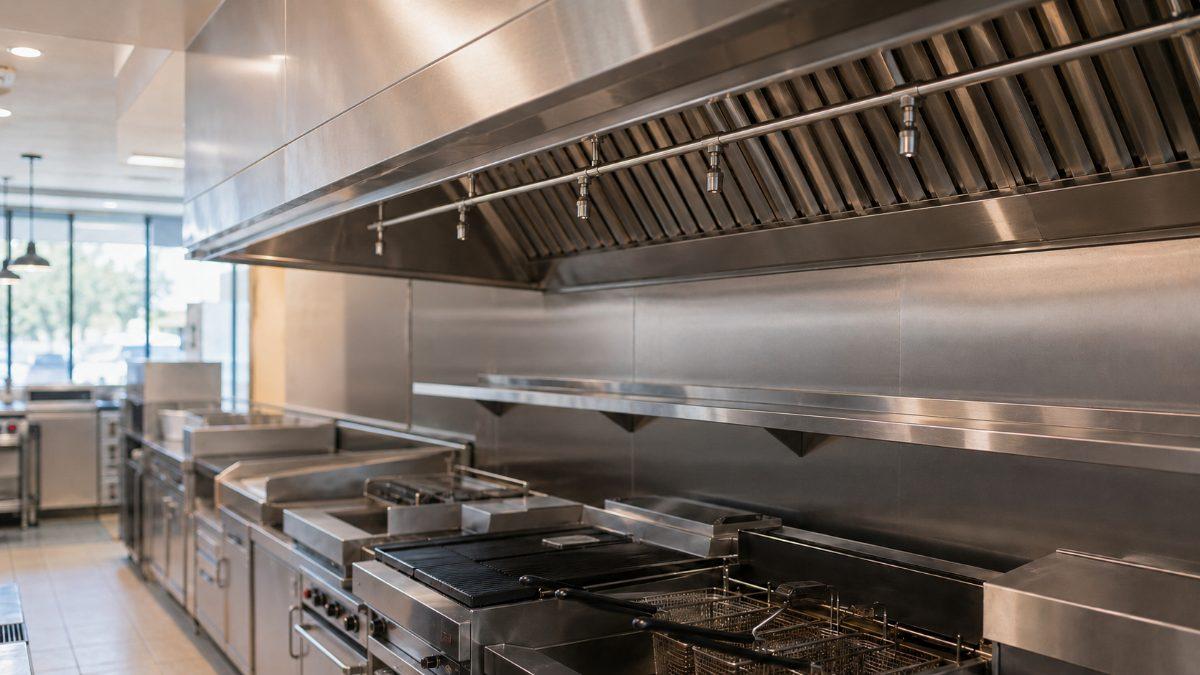
A full-system approach typically includes:
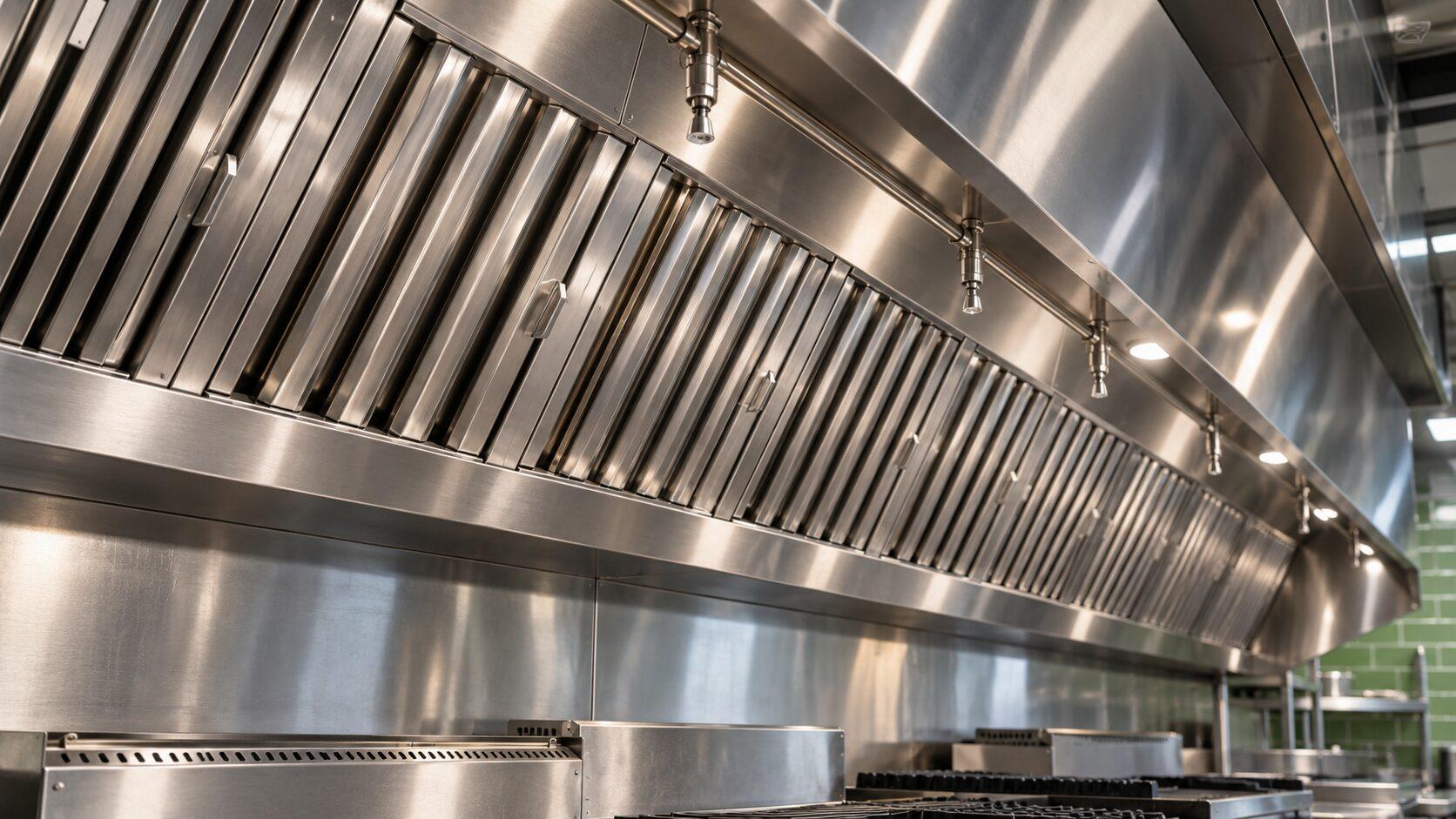
- Hood canopy and plenum
- Filters (and how they’re maintained over time)
- Ductwork (full run to the fan)
- Exhaust fan components and function
- Rooftop grease containment and roof protection
If you want a clear baseline for full-system service, review commercial kitchen hood cleaning in Houston
What a Katy operator typically sees in an inspection cycle
Most inspection cycles follow a predictable pattern:
- Inspector requests cleaning records.
- Inspector visually checks the hood, filters, and any accessible duct/fan areas.
- If anything looks questionable (grease, residue, missing access, fan issues), the inspector asks follow-up questions.
Where operators get caught is the gap between “we cleaned recently” and “we can prove the full system was cleaned to an appropriate schedule.” The more your reports and photos remove ambiguity, the smoother the cycle tends to be.
Cleaning frequency triggers: aligning schedule to cooking volume (table)
How Often Should Commercial Kitchen Hoods Be Cleaned? The NFPA mandates professional vent hood cleaning monthly, quarterly, or semi-annually depending on cooking volume and operation type. Check NFPA 96 guidelines or consult your local fire marshal.
| Operation type (examples) | Typical frequency | What changes the schedule |
|---|---|---|
| High-volume (24/7, wok cooking, charbroiling) | Monthly | Longer hours, heavier grease output, more smoke-producing equipment |
| Moderate-volume (many sit-down restaurants) | Quarterly | Menu shifts, added fryers/grills, higher throughput |
| Low-volume (churches, seasonal operations) | Semi-annually | Increased events, extended season, equipment changes |
If your menu or hours change, your frequency may need to change too. That’s one reason operators use a complimentary inspection to validate whether their current schedule still matches reality (schedule one here or call 713-489-0790).
Why “quarterly” can still be wrong: the real-world grease output test
Two kitchens can both call themselves “sit-down,” but one runs charbroilers and fryers all day while the other runs mostly ovens and light sauté. Grease-laden vapor output is what matters.
If you’re seeing these between cleanings, your schedule may be too long:
- Smoke not capturing well during rush
- Persistent “hot oil” odor in the dining room
- Grease film building on nearby surfaces faster than normal
- Filters loading up quickly or dripping
- Exhaust fan sounding strained or vibrating
Those are not just comfort issues—they’re early warnings that airflow and grease accumulation are trending the wrong way.
What inspectors notice first: filters, seams, and obvious grease trails
Inspectors start with what they can see. First-impression items often include:
- Filters seated correctly and not warped
- Grease on hood edges, seams, or behind filters
- Drip trails, pooling, or heavy residue
- Access doors present where needed
- Rooftop fan area not visibly coated
If the first impression is poor, the conversation usually gets deeper: more questions, more documentation requests, and more scrutiny of scope.
The documentation packet: what “good” looks like in practice
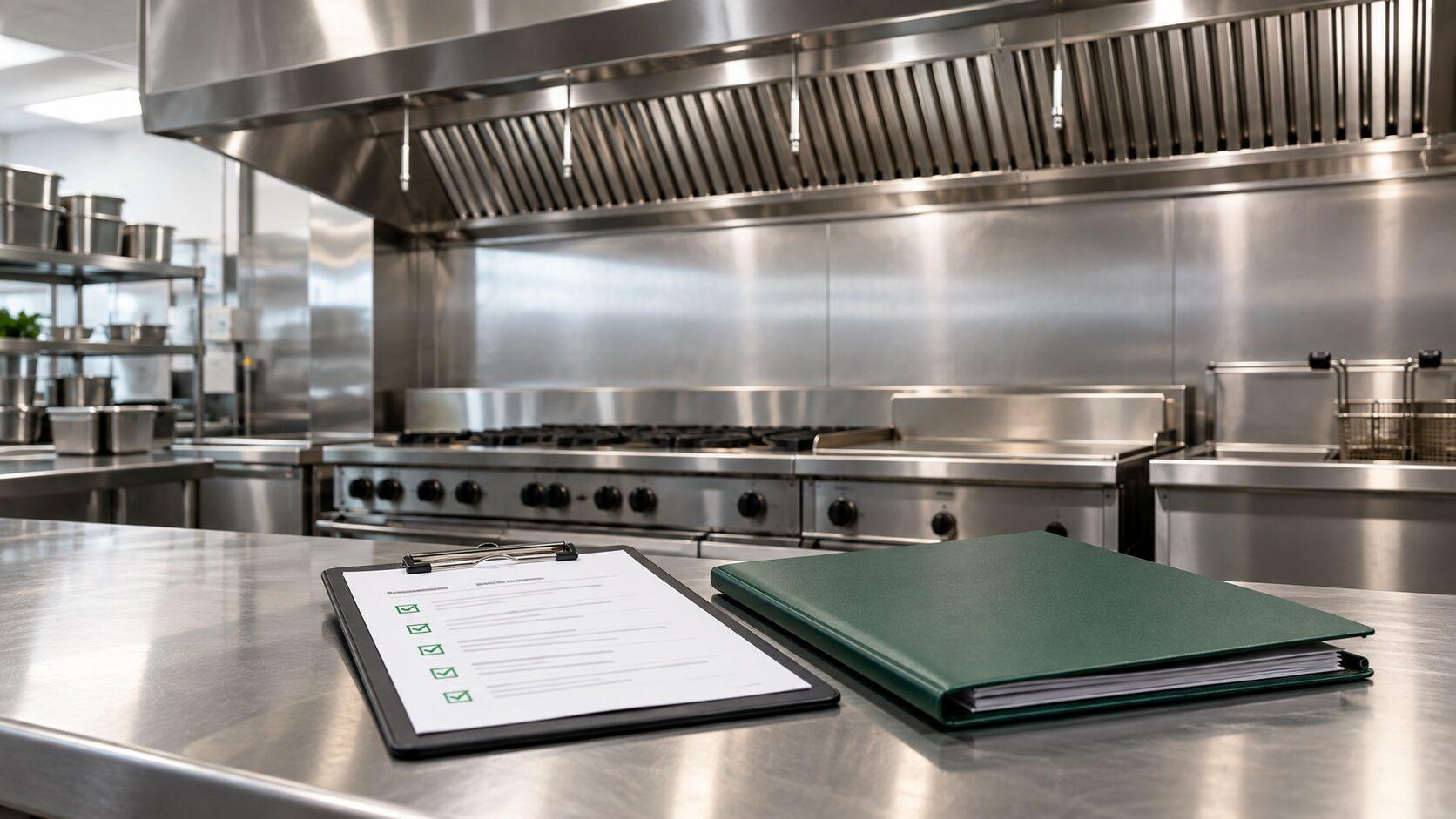
A strong service packet is simple, consistent, and specific. It should let an inspector understand what was done without guessing.
A practical packet includes:
- Service date and location
- Clear scope statement (what components were cleaned)
- Before-and-after photos that show identifiable areas
- Notes on access limitations (if any)
- Repair recommendations and follow-up status
If your reports are vague (“cleaned hood system”) with minimal photos, you’re leaving room for doubt.
Documentation checklist you can hand to a manager (table)
| Packet item | Why it matters | What “complete” looks like |
|---|---|---|
| Service report with date | Establishes maintenance history | Date, address/site ID, and system notes match your facility |
| Scope summary | Proves full-system work | Hood, filters, ductwork, fan, rooftop containment listed plainly |
| Before/after photos | Visual proof of condition change | Multiple angles, duct/fan included, not just canopy close-ups |
| Access notes | Explains what was reachable | Any limitations documented plus a plan to correct |
| Repair recommendations | Shows risk awareness | Specific items (fan hinge, belt wear, access panel issues) |
| Follow-up work orders | Closes the loop | Repairs completed or scheduled with dates |
If you want us to review your current packet and point out gaps, schedule a complimentary inspection or call 713-489-0790.
Scope verification: what “complete” should include (table)
| System area | What “complete” means operationally | Common miss that triggers inspection questions |
|---|---|---|
| Hood canopy/plenum | Degreased thoroughly; seams and corners addressed | Only wiping visible surfaces |
| Filters | Maintained consistently; seated correctly | Filters reinstalled incorrectly or left saturated |
| Ductwork | Cleaned through the full run to the fan | Only the first few feet cleaned |
| Exhaust fan | Cleaned and functioning properly | Grease on blades/hinge, vibration, poor sealing |
| Rooftop containment | Grease managed and roof protected | Grease leakage onto roof surface |
To keep filters consistent (especially across manager changes), many operators use a structured hood filter program. See hood filter exchange in Houston
Why hood filter exchange supports inspection readiness (and daily airflow)
Filters are the first line of defense. When they overload, airflow drops, capture gets worse, and grease moves downstream into ductwork and the fan.
A filter exchange program can help operators stay consistent when:
- Multiple managers rotate through the site
- Staff is busy and filter cleaning becomes irregular
- You want predictable performance and cleaner ductwork over time
If you’re evaluating options for Katy, start with commercial hood filter exchange service
Airflow degradation during peak service: the early warning signs operators feel first
Operators usually notice airflow problems before anyone calls them “code issues.” The kitchen gets hotter. Smoke lingers. Odors travel.
Common operational symptoms include:
- The hood loses capture when multiple appliances run at once
- Smoke rolls out when the line is slammed
- Dining room odor increases noticeably
- Staff complains about heat and haze
These symptoms can come from multiple causes (makeup air or exhaust, fan issues, restrictions), but grease accumulation is a frequent contributor—and it’s one you can control with consistent scope and frequency.
Rooftop grease containment: the part many operators forget until someone looks up
Rooftop conditions matter because they’re visible evidence of how the system is being maintained. Grease leakage and poor containment can create roof damage, slip hazards, and an immediate “this isn’t being managed” impression.
Inspection readiness includes:
- Checking the fan curb area for grease residue
- Verifying rooftop grease containment is present and functional
- Keeping the roof surface protected and clean around the fan
If you want a baseline check that includes rooftop conditions, schedule a complimentary inspection (713-489-0790).
Access panels and serviceability: why “we couldn’t reach it” doesn’t land well
If ductwork can’t be accessed, it can’t be properly cleaned. Inspectors may ask about access when they see duct runs or configurations that suggest hidden or horizontal sections.
Good inspection readiness includes:
- Knowing where access points are
- Keeping them serviceable (not blocked by storage)
- Addressing missing or damaged access points proactively
If your system needs access improvements or mechanical attention, it’s better to document the plan than to hope it doesn’t come up.
Repairs and maintenance: how to keep findings from becoming repeat inspection issues
Inspections often surface issues that are not strictly “cleaning” problems: fan vibration, hinge problems, worn belts (where applicable), damaged components, or access concerns.
The operator goal is to show you take findings seriously:
- Identify the issue during service
- Document the recommendation
- Schedule the repair
- Keep the work order with your exhaust packet
For exhaust system repairs and equipment service, see commercial kitchen exhaust repairs in Houston
How to have realistic AHJ conversations (without over-explaining)
The smoothest inspection conversations are short and factual. A strong operator response usually includes:
- Your frequency schedule and why it matches your cooking volume
- Your most recent service date
- Your documentation packet with photos
- Your repair plan if something is pending
If you don’t know an answer, it’s better to say, “Let me pull the report packet,” than to guess. Guessing creates contradictions that can extend the inspection.
The “partial clean” trap: why it creates recurring inspection risk
Partial cleaning often creates a predictable pattern:
- The hood looks acceptable for a short time.
- Grease continues to build in ductwork and the fan.
- Airflow slowly degrades.
- Rooftop conditions become the giveaway.
Then the inspection conversation shifts from “when was your last cleaning?” to “what exactly was cleaned?”
If you’re paying for service, you should be able to point to full-system scope and photos that include duct and fan components.
A practical inspection-readiness calendar for Katy operators
Inspection readiness improves when exhaust maintenance is treated like any other operational system with a calendar and a filing habit.
A simple approach:
- Monthly: quick internal visual check of filters and hood edges; note any drip trails
- On each professional service: file the report packet the same day
- Quarterly: review whether frequency still matches cooking volume
- Before known inspection windows: confirm last service date and packet completeness
If you want help setting up a repeatable program, start with a baseline cleaning and documentation review through the Katy service area.
What to do 30 days before an inspection
Thirty days out is the sweet spot—enough time to correct issues without rushing.
Actions that reduce inspection stress:
- Confirm your last service date and next scheduled service
- Audit your documentation packet for missing photos or vague scope
- Walk the roof area (only if safe) and look for grease residue around the fan
- Check that access doors are not blocked
- Note airflow symptoms during peak service and document them
If you want a fast, operator-friendly gap check, schedule a complimentary inspection or call 713-489-0790.
What to do 7 days before an inspection
A week out is “tighten and verify” mode:
- Make sure your most recent service report is printed or easily accessible
- Confirm the manager on duty knows where the packet is stored
- Verify filters are seated and in good condition
- Do a quick visual check for grease drips or residue on hood seams
If something looks off, it’s better to address it now than to explain it later.
What to do the day of inspection (and how to keep it smooth)
Day-of readiness is mostly organization and calm:
- Have the documentation packet ready
- Be prepared to explain frequency based on cooking volume
- If repairs are pending, show the work order and scheduled date
- Keep answers direct and factual
If you want a partner who can help you build that calm confidence, schedule a complimentary inspection (713-489-0790).
OSHA and worker safety: why it belongs in the same maintenance program
Inspection readiness isn’t only about fire code. It’s also about worker safety and operational risk.
Grease accumulation can contribute to slippery surfaces, poor air quality, and unsafe roof conditions. For general workplace safety guidance, OSHA is a solid reference point.
The operator takeaway: treat exhaust maintenance as part of your safety program, not just a compliance checkbox.
How to evaluate a hood cleaning vendor for inspection readiness (not just price)
If you’re comparing providers for hood cleaning Katy TX, ask questions that force clarity:
- Do you clean the full system to the fan?
- How do you document before-and-after conditions?
- What do your reports look like?
- How do you handle access limitations?
- Can you flag repairs and help coordinate fixes?
If answers are vague, your inspection risk stays high.
For a clear description of full-system expectations, review Houston commercial hood cleaning
The difference between “clean” and “verifiable”
From an operator standpoint, “clean” is what you see. “Verifiable” is what you can prove.
Verifiable means:
- Photos that show duct sections and fan components, not only the canopy
- Reports that list scope plainly
- A frequency schedule that matches cooking volume
- A repair log that shows you act on findings
When you can do those four things consistently, inspection conversations become shorter and easier.
Why Houston-only internal consistency matters for multi-unit operators
Multi-unit groups often have different vendors across territories. That can create inconsistent documentation and uneven scope.
If your Katy site is within the Houston service footprint, keeping your exhaust program under one consistent reporting standard makes inspection readiness simpler—especially when managers transfer between locations.
For local coverage and coordination, use the Katy hub.
Pressure washing and exterior conditions: when it supports inspection readiness
While hood cleaning is the core inspection-readiness item, exterior grease residue and buildup around service areas can create a “neglect” impression.
If you want to keep loading areas, pads, and exterior surfaces clean—especially around kitchen exhaust discharge zones—pressure washing can support overall facility presentation.
See Houston pressure washing (Green Steam)
Common AHJ questions and operator-ready answers
Realistic questions operators get, with practical answers:
- “How often do you clean your hood system?”
- “We clean on a monthly/quarterly/semi-annual schedule based on cooking volume. Here are our service reports.”
- “Do you clean the ductwork and fan too?”
- “Yes. Scope includes hood, filters, ductwork, exhaust fan, and rooftop containment. Here are before/after photos.”
- “Do you have records available?”
- “Yes. We keep a packet on-site and a digital copy. Here’s the most recent report.”
If you can answer those three without hesitation, you’re operating like a pro.
When an inspector flags an issue: how to respond without making it bigger
If an inspector flags grease accumulation, access issues, or a fan problem, the best move is to treat it like a work order, not a debate:
- Ask for clarity on what they want corrected
- Document it internally
- Schedule service or repairs
- Keep the paperwork
If you want help translating a finding into a clear plan, schedule a complimentary inspection or call 713-489-0790.
Schedule a complimentary inspection in Katy, TX
If you’re preparing for an upcoming inspection—or you just want to reduce risk and improve kitchen airflow—we can help you verify scope, frequency, and documentation.
- Schedule a complimentary inspection
- Call: 713-489-0790
Related Houston services for operators: