The Woodlands Commercial Kitchen Hood Cleaning: Compliance, Risk, and Documentation (Kitchen Guard of Houston)

If you’re responsible for a commercial kitchen in The Woodlands, you already know the standards are high—customers, landlords, insurers, and inspectors all expect a clean, well-run operation. What’s less obvious is how quickly small gaps in exhaust-system maintenance can turn into real operational risk: restricted airflow, heavier smoke, odor complaints, equipment strain, and the kind of inspection findings that derail a busy week.
If you want a clear, compliance-first plan (not guesswork), schedule a consultation for commercial hood cleaning in The Woodlands.
1) Why The Woodlands Is a “High-Expectation” Market for Restaurant Operations
The Woodlands is built around dense retail corridors, mixed-use developments, and steady office-driven traffic. That means many kitchens run hard during predictable rush windows—and when volume is consistent, grease accumulation in the exhaust system tends to be consistent too.
Operators who do best here typically treat hood cleaning as a documented safety program, not an occasional cleaning task. The goal is simple: keep the system clean enough that you can prove compliance quickly when someone asks.
2) What “Commercial Hood Cleaning” Actually Means (Full-System Scope)
A common failure point is assuming “hood cleaning” means wiping down what you can see. NFPA 96 is focused on the entire kitchen exhaust system, and a compliant service should address grease accumulation throughout the system.
A full-system service typically includes:
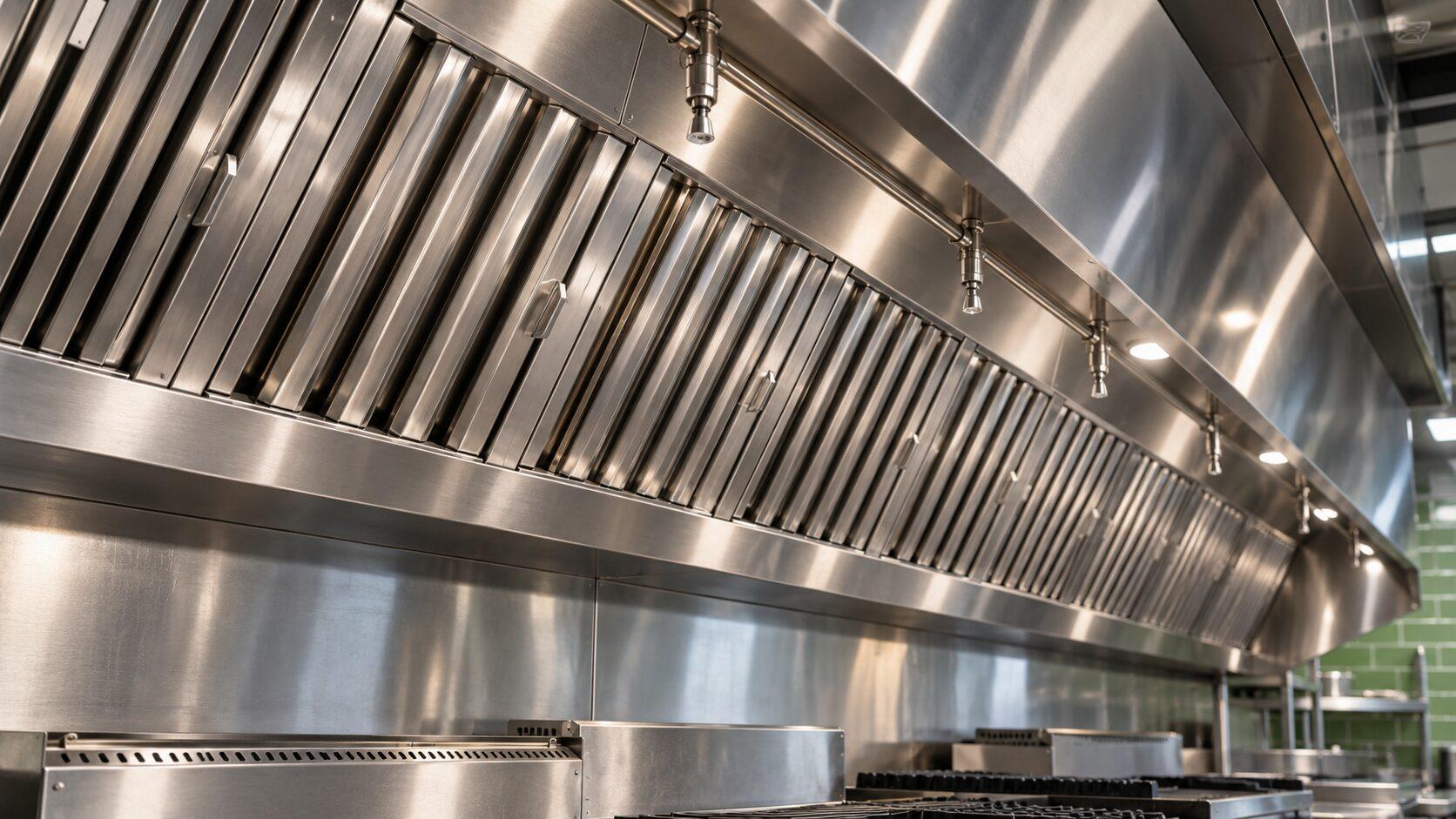
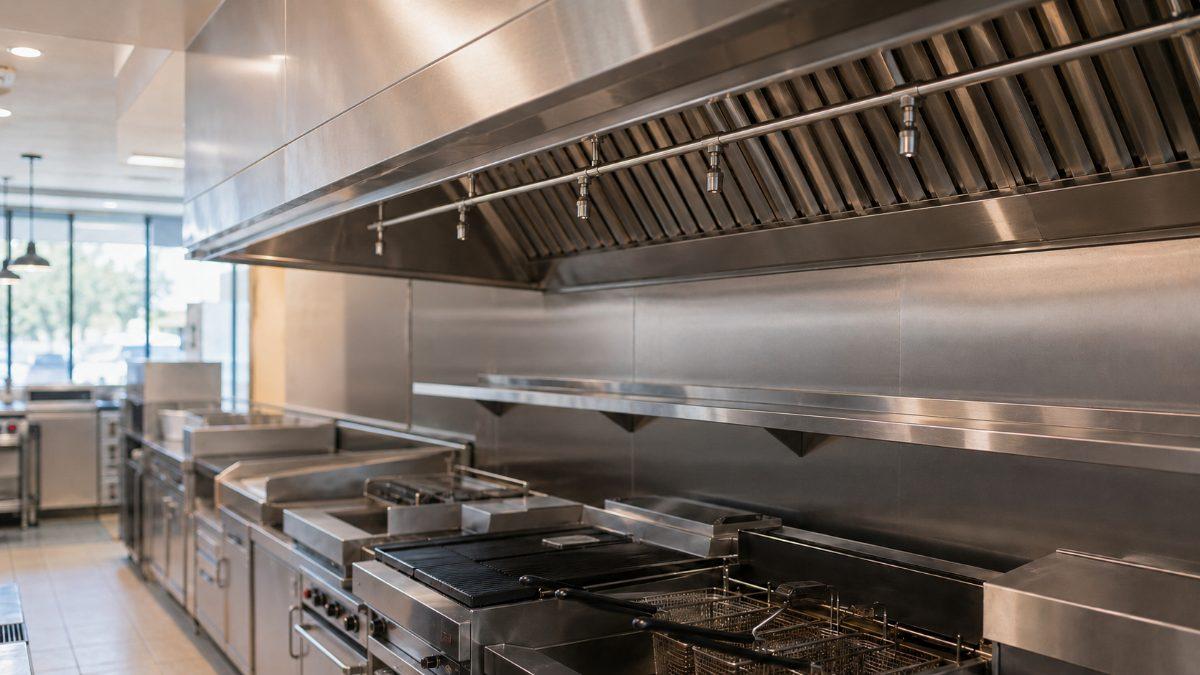
- – Hood canopy cleaning (interior and exterior)
- – Baffle filter removal and cleaning
- – Ductwork cleaning (as accessible and required)
- – Exhaust fan cleaning (hinges, housing, blades, and surrounding areas)
- – Rooftop component cleaning and rooftop grease containment checks
- – Proper handling of wastewater and grease byproducts
- – Before-and-after photo documentation
- – Service reporting for compliance records
For service details, see Kitchen Guard of Houston commercial hood cleaning.

3) The Real Risk: Grease Accumulation Is a Fire Load, Not Just a Mess
Grease in the ductwork and fan housing isn’t cosmetic. It’s fuel. When heat, flame, and grease meet inside an exhaust system, the outcome can be catastrophic.
A compliance-first cleaning program reduces:
- – Fire risk
- – Smoke and odor issues
- – Airflow restriction and heat buildup
- – Surprise inspection failures
- – Emergency downtime
4) How Often Should Commercial Kitchen Hoods Be Cleaned?
How Often Should Commercial Kitchen Hoods Be Cleaned? The NFPA mandates professional vent hood cleaning monthly, quarterly, or semi-annually depending on cooking volume and operation type. Check NFPA 96 guidelines or consult your local fire marshal.
- – High-volume kitchens (e.g., 24/7, wok cooking, charbroiling): Monthly
- – Moderate-volume kitchens (e.g., sit-down restaurants): Quarterly
- – Low-volume kitchens (e.g., churches, seasonal operations): Semi-annually
For reference, NFPA maintains an overview of the standard at NFPA 96 standard development information.
5) The Woodlands-Specific Reality: Volume Patterns Can Change Fast
In The Woodlands, volume can shift quickly with:
- – Seasonal events and weekend traffic
- – Catering and private dining
- – Menu changes that increase grease output
- – Expanded hours
If your operation changes, your cleaning interval should be reviewed. If you want a second set of eyes on your system condition, schedule a consultation with Kitchen Guard of Houston.
6) What Inspectors and Property Stakeholders Usually Want to See
Most inspection and stakeholder concerns come down to two questions:
- – Is the exhaust system being cleaned at an appropriate interval?
- – Can you prove it with documentation?
That’s why the best programs are built around repeatability: consistent scope, consistent reporting, consistent photo documentation.
7) Documentation Discipline: What to Keep On File After Each Service
After each service, keep:
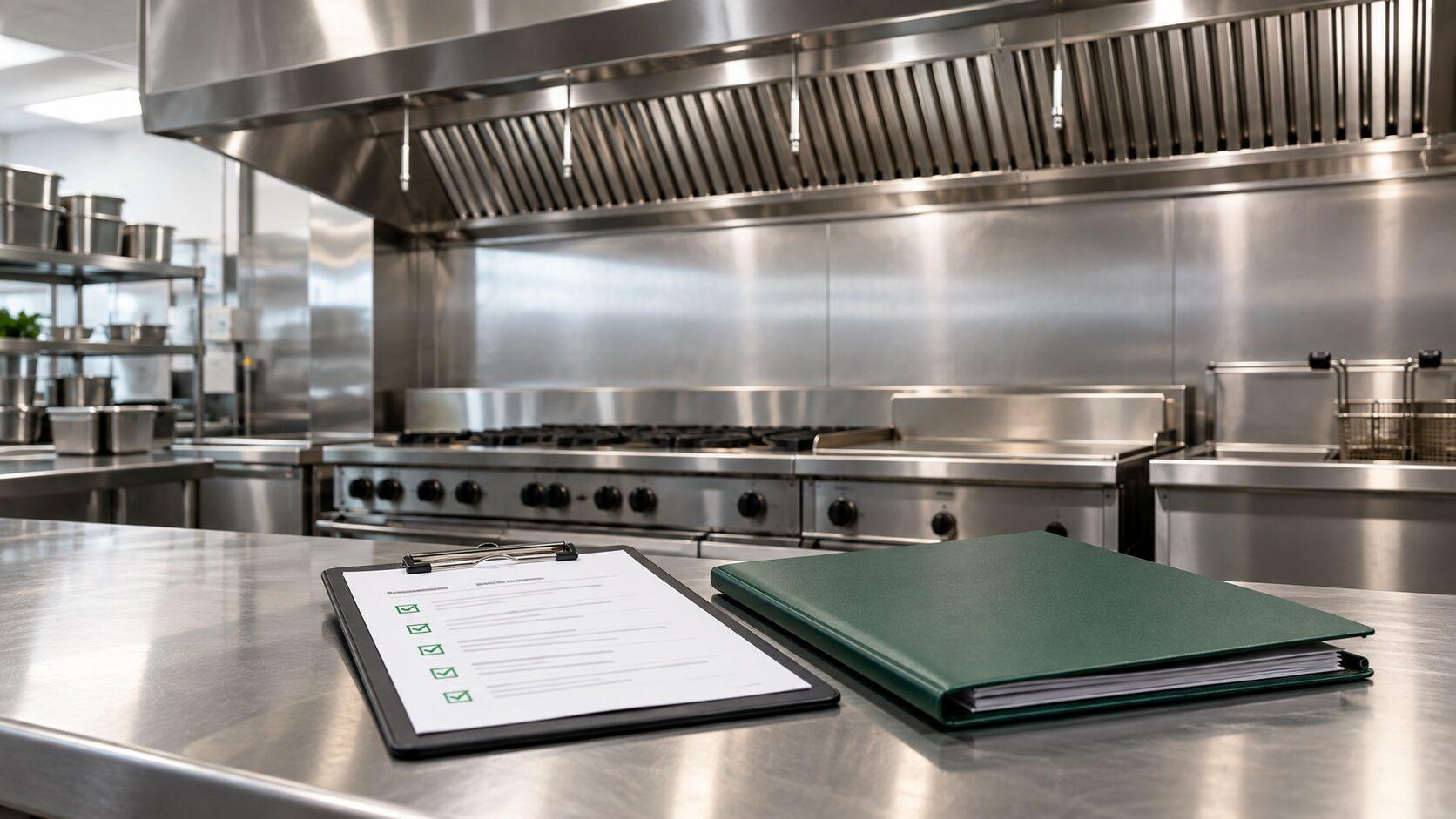
- – Service report with date, scope, and system areas cleaned
- – Before-and-after photos (especially ducts and fan)
- – Notes on access panels and any areas that could not be accessed
- – Recommendations for repairs or maintenance (if applicable)
If an inspection flags equipment issues, review commercial kitchen exhaust fan and hood system repairs in Houston.
8) Common “Looks Clean” Traps That Still Fail Compliance
A hood can look clean from the floor while grease remains in:
- – Horizontal duct runs
- – Elbows and transitions
- – Fan housing and hinge areas
- – Rooftop discharge zones
A compliance-first provider will talk scope clearly and show proof of what was cleaned.
9) Rooftop Exhaust Fan Cleaning: The Overlooked Risk Zone
Rooftop areas are often where shortcuts show up. If the fan isn’t cleaned, grease remains in a high-heat, high-airflow zone and can potentially lead to overflow issues that can damage your rooftops.
A complete service should include:
- – Fan blades and housing
- – Hinge and access points
- – Surrounding roof surface protection
- – Rooftop grease containment checks
10) Filter Maintenance and Exchange: Keeping Airflow Stable Between Cleanings
Filters are your first line of defense for airflow and grease capture. If filters are damaged, missing, or poorly maintained, grease moves downstream faster.
If you want a predictable program, consider hood filter exchange service in Houston.
11) A Practical Between-Service Checklist for The Woodlands Operators
Use this checklist to reduce risk between scheduled cleanings:
- – Confirm your cleaning schedule matches your cooking volume (monthly/quarterly/semi-annually)
- – Keep filters maintained and replaced as needed
- – Watch for airflow changes: more smoke, lingering odors, or hotter kitchen temps
- – Check for visible grease at hood seams, filter tracks, and in and around the fan
- – Keep your last 2–3 service reports and photos easy to access
- – f you’re expanding hours or changing your menu, re-evaluate cleaning frequency
12) Choosing a Compliant Hood Cleaning Partner: Questions to Ask
Ask providers:
- – Do you clean the hood, ducts, and exhaust fan as a full system?
- – Will you provide before-and-after photos and a written service report?
- – How do you handle rooftop grease containment and wastewater?
- – What access do you need, and how do you protect the kitchen during service?
- – Can you support repairs if an exhaust fan or component is failing?
13) Local Compliance Resources for The Woodlands Operators (Hyper-Local)
If you’re building an inspection-ready process (or onboarding a new manager), these local resources can help confirm expectations:
- – Montgomery County Fire Marshal’s Office resources
- – Montgomery County Environmental Health (food establishments)
- – The Woodlands Fire Department information
- – The Woodlands Township business resources
14) When to Escalate: Signs You Need Service Sooner Than Scheduled
Escalate sooner if you notice:
- – Heavier smoke or lingering odors
- – Reduced airflow
- – Visible grease at seams or filter tracks
- – Grease near the fan hinge area
- – Hotter kitchen temperatures
15) Schedule Commercial Hood Cleaning in The Woodlands, TX
If your goal is to stay compliant, reduce fire risk, and keep your kitchen inspection-ready, the most effective approach is a documented, full-system cleaning plan.
Start here: schedule a consultation for commercial hood cleaning in The Woodlands.