"*" indicates required fields
Kitchen Guard of Cherry Hill’s Filter Exchange Program is Easy & Gives You Peace of Mind
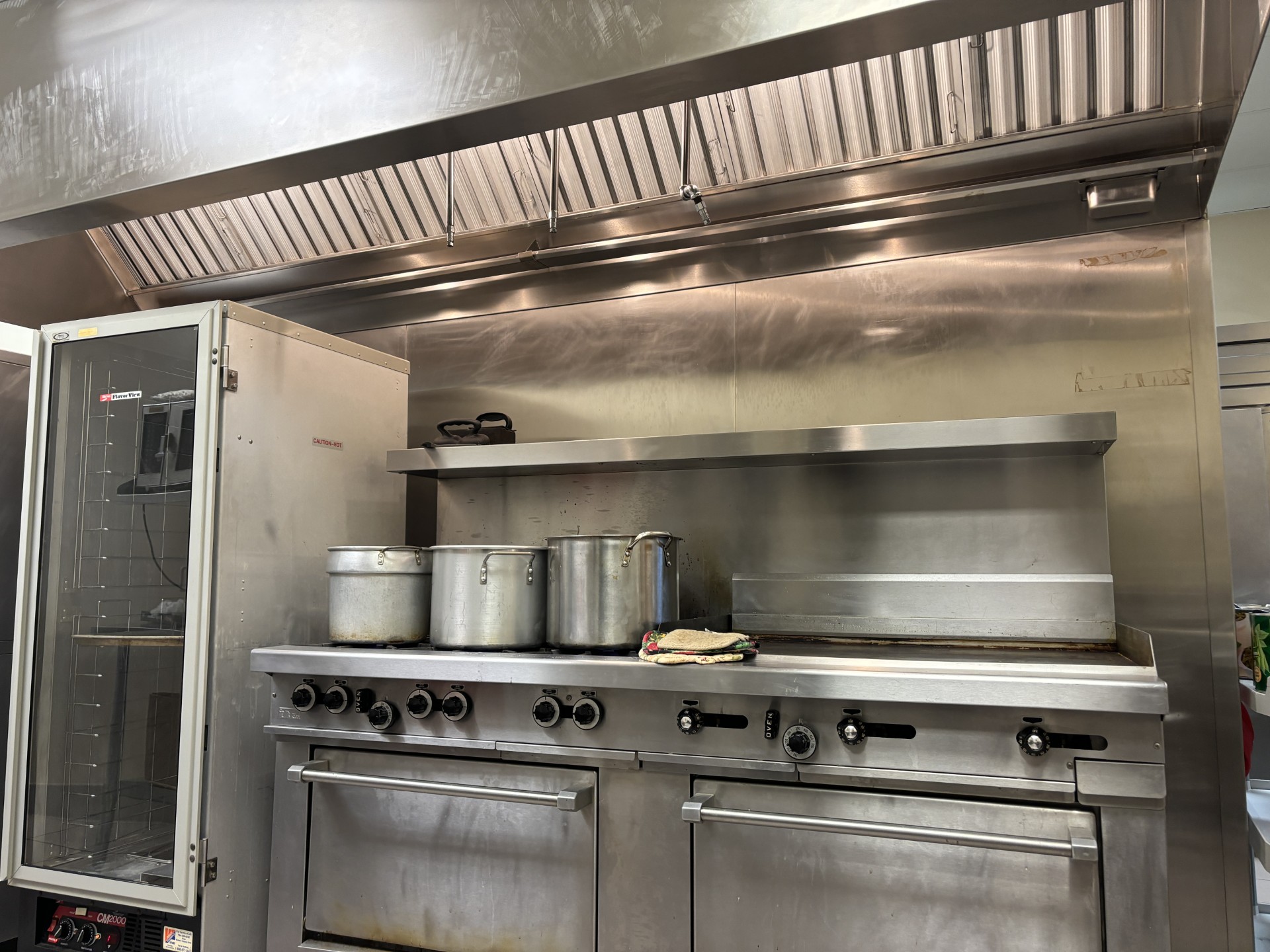
Your kitchen’s exhaust filters are your first line of defense against grease buildup and fire hazards—but only if they’re professionally maintained. Overloaded or improperly cleaned filters are one of the most common causes of kitchen fires that spread into ductwork, leading to extensive damage and costly downtime.
Kitchen Guard of Cherry Hill’s Filter Exchange Program ensures your filters are thoroughly cleaned or replaced at regular intervals to reduce fire risk, improve air quality, and help maintain a cooler, safer kitchen for your staff.
Our professional team handles the entire process—after hours and without disrupting your operations. With straightforward pricing and zero hassle, staying compliant and protected has never been easier.
Kitchen Guard of Cherry Hill Answers All Your Filter Exchange Questions
Regularly changing your exhaust filters is essential for fire prevention and ventilation efficiency. Here’s what you need to know:
Dirty kitchen hood filters restrict airflow, which can lead to poor ventilation, overheating, and a serious fire risk due to grease buildup. Regular filter exchanges help maintain safe kitchen operations and ensure your business stays compliant with fire safety codes.
According to the National Fire Protection Association (NFPA) Standard 96, Section 12.6.2:
“Hoods, grease removal devices (filters), fans, ducts, and other appurtenances shall be cleaned to remove combustible contaminants prior to surfaces becoming heavily contaminated with grease or oily sludge.”
“Heavily contaminated” is defined as grease buildup greater than 0.078 inches (5/64”). Staying under this threshold is critical for fire prevention and compliance with health and safety regulations.
Dirty filters are a leading risk for fires due to grease buildup, they can restrict airflow, causing poor ventilation and overheating in your kitchen. Regular filter exchanges help prevent these hazards and keep your business compliant with safety regulations.
No! We swap out your filters after hours to ensure there’s no disruption to your service, allowing you to focus on running your business while we handle your kitchen’s safety needs.
