
Hood Cleaning Frequency in St. Louis: NFPA 96 Schedule
Most restaurant owners know they’re supposed to clean their exhaust hoods. The confusion starts when they try to figure out how often. Following the right hood cleaning schedule is not optional — it’s a fire code requirement in St. Louis, and getting it wrong in either direction costs money. Too infrequent and you’re looking at a fire hazard, a failed inspection, and a closure order. Too frequent and you’re spending money you don’t need to spend. Here’s exactly how to determine the right hood cleaning schedule for your operation.
Why There’s No Single Answer
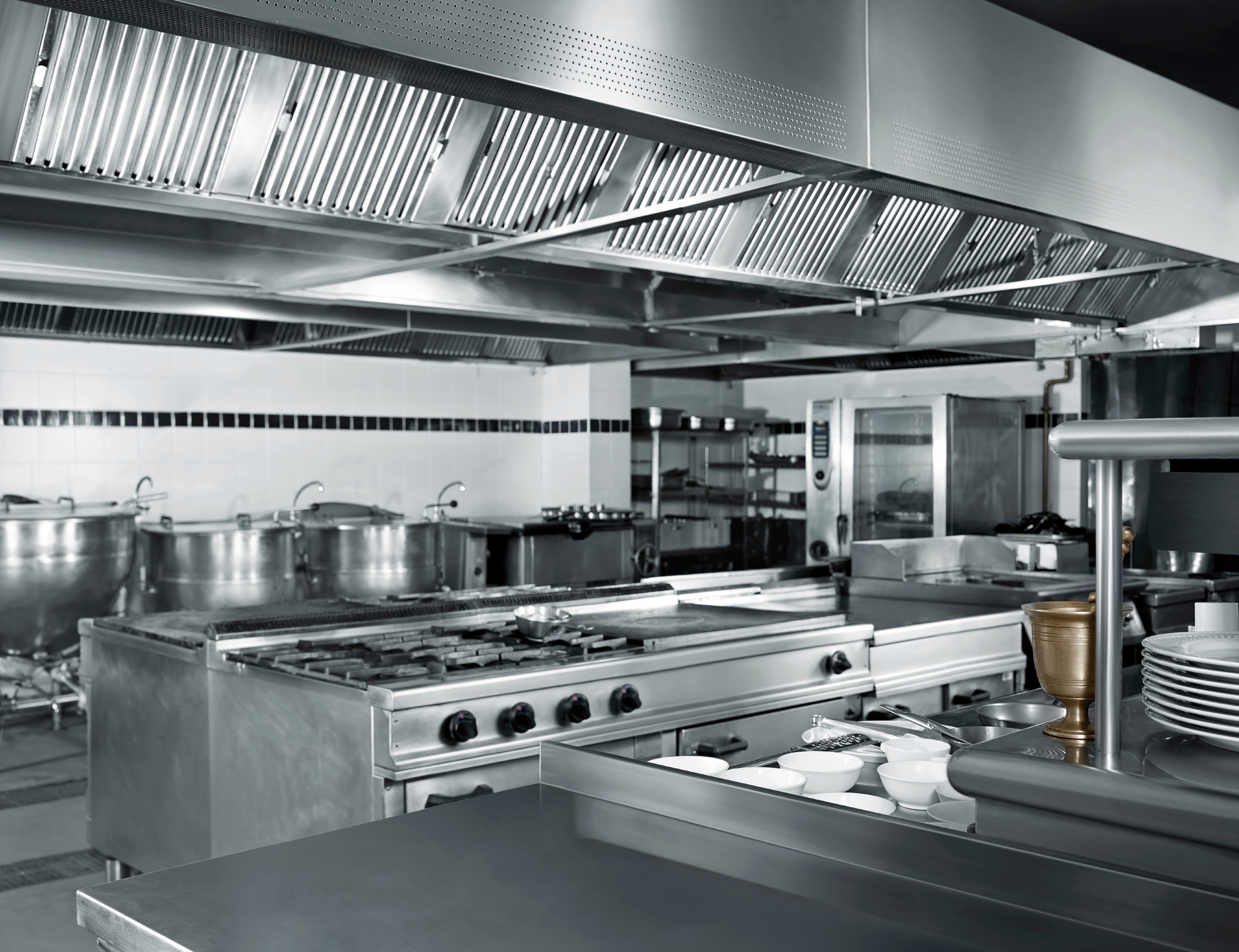
NFPA 96 — the national standard governing commercial kitchen fire safety — doesn’t prescribe one universal cleaning interval. It ties the required frequency directly to grease production, because grease is the actual hazard. A kitchen that generates a heavy grease load is a dramatically different fire risk than a kitchen running a pizza oven twice a week. The standard acknowledges this by establishing four cleaning tiers based on cooking type and volume.
What this means practically: two restaurants on the same block in Clayton or Soulard might legally require cleaning at completely different intervals. The steakhouse running a char-broiler through a packed dinner service every night needs monthly service. The sandwich shop on the same street with a panini press and a convection oven might only need service twice a year. The same fire code covers both — they just sit in different tiers of it.
The Four NFPA 96 Cleaning Tiers — With Real St. Louis Examples
Monthly Hood Cleaning Schedule — High-Volume Kitchens
Any operation that runs char-broilers, wok stations, solid-fuel equipment (wood-fired ovens, charcoal grills). 24-hour service falls into the monthly tier. This isn’t arbitrary — these cooking methods produce airborne grease at a rate that can coat ductwork to dangerous levels within four weeks of a cleaning. Think of the barbecue joints on South Grand, the late-night diners near Washington University Medical Center. Any kitchen running a wood-fired pizza oven as a centerpiece of their menu. Monthly service isn’t optional for these operations; it’s the minimum the fire code allows.
Quarterly Hood Cleaning Schedule — Most St. Louis Restaurants
The vast majority of full-service restaurants in the St. Louis metro fall into this tier. If your kitchen runs flat-top griddles, open fryers, gas ranges. Broilers through a lunch and dinner service five or more days a week, quarterly cleaning is almost certainly your required interval. This includes most of the restaurant density in Chesterfield, Clayton, Kirkwood, Webster Groves, and the core St. Louis neighborhoods. If you’re not sure where your kitchen falls, quarterly is the right starting assumption for a busy full-service operation.
Semi-Annually — Lower-Volume and Specialty Operations
Pizza ovens, pasta operations, light-volume catering kitchens, and institutional kitchens running one or two meal periods per day typically fall here. The grease production is lower, and buildup takes longer to reach hazardous levels. Hotel restaurants that only operate a breakfast buffet, corporate cafeterias with limited cooking. Event venues that cater occasionally are common examples in the St. Louis market.
Annually — The Low-Volume Exception
Churches with fellowship hall kitchens, seasonal concession operations. Institutional kitchens serving a single light meal per day fall into the annual tier. One thing the standard makes clear: there is no exempt category. Even a kitchen that runs equipment a handful of times per year still requires an annual inspection and cleaning under NFPA 96. The St. Louis Fire Prevention Bureau enforces this — a low-volume kitchen with an expired cleaning certificate is still a citation.
What Happens When You Skip Your Hood Cleaning Schedule
Here’s the scenario that plays out when the cleaning interval is missed. Grease accumulates in the plenum chamber above the filters and begins working its way into the ductwork. At a certain point — and it doesn’t take as long as most owners assume in a busy kitchen. You have a continuous grease-coated fuel path from the cooking surface to the exhaust fan on the roof. If a flare-up from the cooking line reaches the plenum and ignites the grease in the duct, the fire travels upward through the entire duct run before the kitchen suppression system even activates. These fires are notoriously difficult to extinguish and cause disproportionate structural damage because they burn inside the walls.
This is exactly the pattern the St. Louis Fire Prevention Bureau documents in restaurant fire reports. And it’s why inspectors have become significantly more rigorous about documentation in recent years. A clean-looking hood canopy is no longer sufficient. Inspectors open access panels to check duct walls directly. They ask for the cleaning certificate before they look at anything else.
How to Determine Your Hood Cleaning Schedule
The factors that determine your tier are your cooking equipment type, your cooking fuel (gas, solid fuel, electric), and your daily operating volume. A certified hood cleaning technician can walk your kitchen, assess these factors. Give you a written determination of your required interval. Which also serves as documentation you can show an inspector if the question ever arises.
One complication worth flagging: if your kitchen has changed since your last assessment. New equipment, expanded hours, added a char-broiler or a wok station — your required interval may have changed too. A lot of operators lock into a quarterly schedule based on how their kitchen looked three years ago and never revisit it after a menu expansion. If you’ve added high-grease cooking equipment, your interval almost certainly moved up.
What a Compliant Cleaning Actually Covers
This is where a lot of operators get surprised. “Hood cleaning” in casual conversation sounds like wiping down the visible hood canopy. But under NFPA 96, a compliant cleaning is a full exhaust system service that covers every component in the grease-laden vapor path:
- Hood canopy — the visible part, cleaned to bare metal
- Grease filters — removed, cleaned or replaced, and reinstalled properly
- Plenum chamber — the collection space above the filters, where grease accumulates most heavily and is most often missed by inadequate services
- All ductwork runs — cleaned through access panels along the full length of the duct to the rooftop termination point
- Exhaust fan housing and blades — cleaned at the rooftop unit, including the fan blades, housing interior, and grease drain
After the service, you receive a signed certificate of completion and a service sticker applied directly to the exhaust unit showing the date of service and the next required cleaning date. NFPA 96 requires both as documentation — the sticker is what an inspector looks at first. The certificate is what they ask for by name.
Frequently Asked Questions
Can I clean the hood myself and stay compliant?
No. NFPA 96 requires a “properly trained, qualified. Certified person.” This means you need a certified service provider who issues proper documentation. A self-cleaned hood with no certificate will still result in a citation. Inspectors ask for paperwork, not just a visual inspection.
What if my kitchen changed equipment — do I need a new assessment?
Yes, and this is important. Your cooking equipment type and volume determine your required cleaning interval. If you’ve added a char-broiler, expanded your hours. Significantly increased your volume since your last schedule was set, your interval may need to move up. A new assessment is quick — it just takes a walkthrough of your kitchen by a certified technician.
What happens if an inspector finds my certificate is expired?
An expired certificate — even by a few weeks — is a citable violation. It doesn’t automatically mean a closure, but it will result in a written notice with a correction deadline and a scheduled reinspection. If the ductwork itself shows heavy grease accumulation on top of the expired certificate, it escalates to a potential closure order. The fastest resolution is always to get the cleaning done and the certificate current before the reinspection date.
How do I know if the company I’m hiring is doing a full compliant cleaning?
Ask two questions: Do they clean the full duct run to the rooftop exhaust fan, or just the hood and filters? And do they provide a signed certificate of completion with the service date and next cleaning date? A company that only cleans the visible hood and doesn’t issue a certificate is not providing an NFPA 96-compliant service, regardless of what they tell you.
Ready to get your schedule set? Contact Kitchen Guard of St. Louis — we’ll assess your kitchen, give you a written interval determination. Get your first compliant service on the books. We also offer scheduled filter exchange, exhaust system repairs. commercial pressure washing so your full kitchen stays inspection-ready between hood cleaning visits.
Ready to schedule your cleaning?
NFPA 96 compliant service. Same-week appointments available in St. Louis.
📞 Call 314-940-SAFE Get a Free Quote →
