Valentine’s Day Rush Readiness | NFPA 96 Hood Cleaning Houston

Valentine’s Day Rush Readiness: NFPA 96–Aligned Hood Cleaning for Houston Restaurants
Why Valentine’s Day is a smart time to schedule hood cleaning
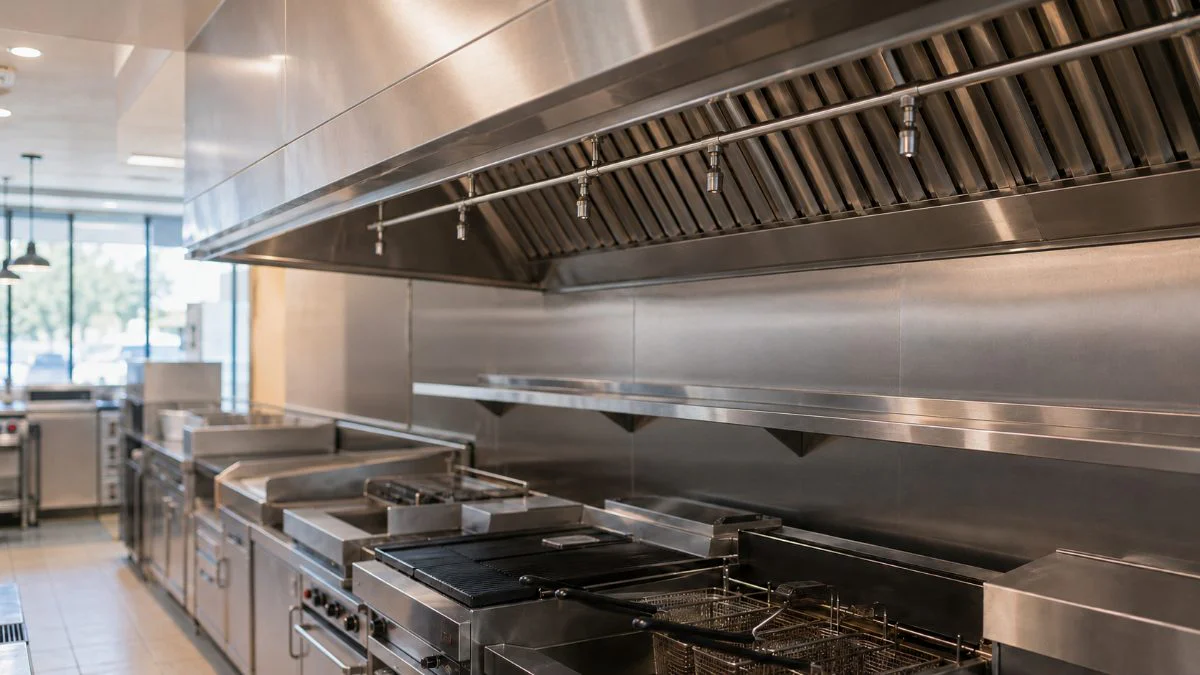
Valentine’s Day is one of the busiest dining nights of the year. More covers, longer hours, and heavier cooking loads can mean more grease-laden vapors moving through your hood, filters, ductwork, and fan.
That’s why many Houston restaurant operators schedule commercial kitchen hood cleaning in Houston ahead of the holiday: it’s a practical way to reduce fire risk, keep airflow strong, and stay inspection-ready—before the rush.
What “ready for the rush” really means (beyond looking clean)
A hood system can look fine from the floor and still have hazardous grease accumulation where you can’t easily see it.
A professional, compliance-first approach focuses on: – Airflow performance (capture and containment) – Grease accumulation control across the full exhaust system – Inspection readiness (documentation and service records) – Preventive maintenance—cleaning before grease reaches unsafe levels
NFPA 96: the standard that drives inspection and cleaning expectations
NFPA 96 is the widely adopted standard that guides how commercial cooking ventilation systems should be inspected and maintained.
Key points restaurant owners and managers should know: – Inspections must be performed by properly trained, qualified, and certified personnel. – Cleaning is triggered by grease accumulation. NFPA 96 includes a commonly referenced threshold: when grease buildup reaches 0.125 inches (1/8”) in any part of the system, it’s time to clean. – Many providers use a grease depth gauge comb to verify accumulation levels.
If you’re preparing for a high-volume holiday like Valentine’s Day, scheduling service proactively helps you avoid getting too close to that threshold.
Inspection frequency (NFPA 96 guidance)
NFPA 96 outlines inspection frequency guidance based on cooking volume and type. While exact needs vary by operation, common categories include: – Monthly (high-volume operations) – Quarterly (moderate-volume operations) – Semiannually (lower-volume operations) – Annually (limited-use operations)
A certified hood cleaning partner can help you align your inspection and cleaning cadence with your equipment, menu, and cooking load.
What a professional hood cleaning should include
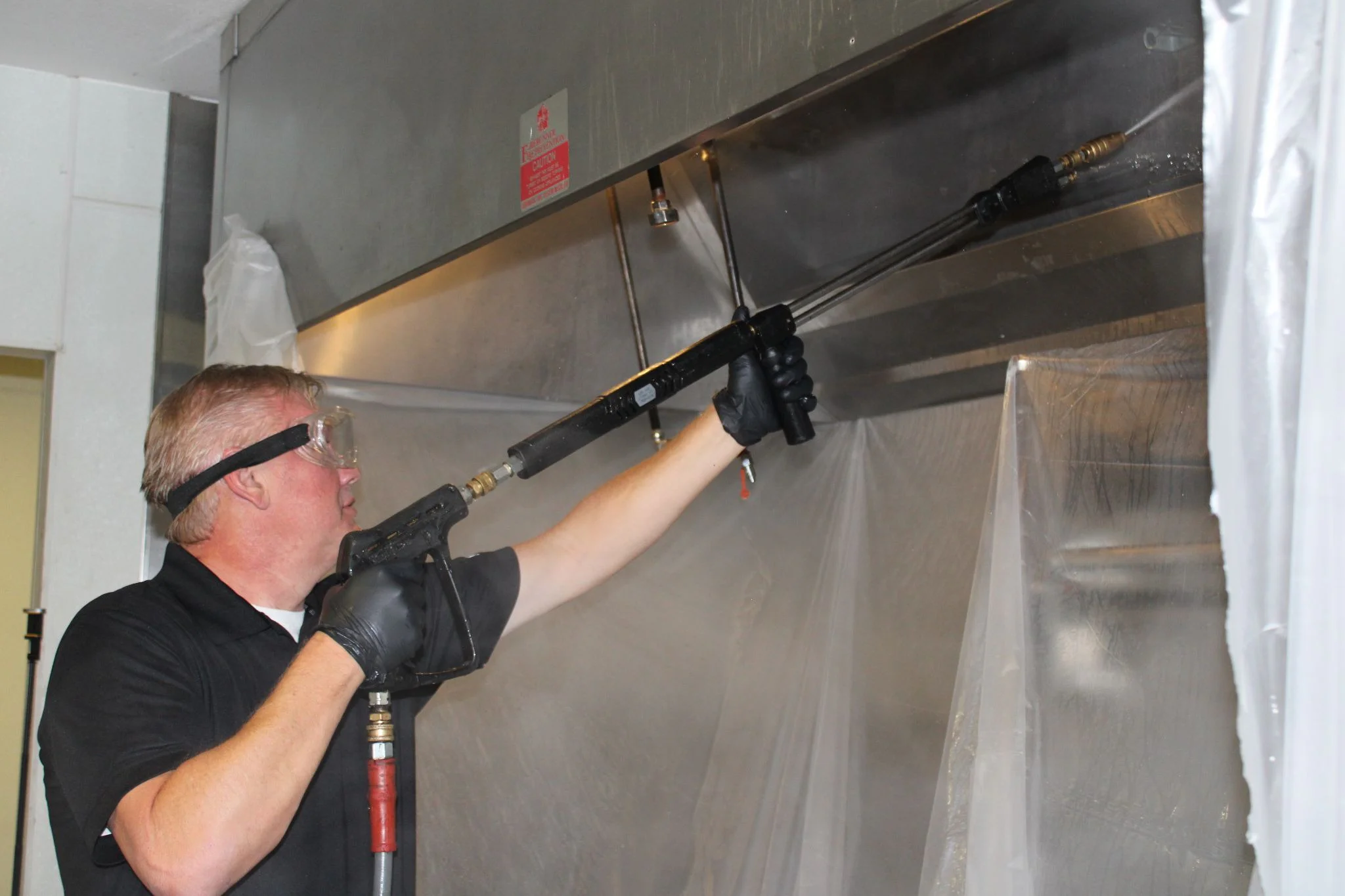
For restaurants in Houston and surrounding areas, a thorough commercial kitchen exhaust cleaning typically addresses the full system: – Hood canopy and plenum – Baffle filters – Ductwork (accessible sections) – Exhaust fan and roof components – Grease containment and cleanup – Before/after documentation and service reporting
The goal is not just “wipe-down clean.” It’s system-level risk reduction and documentation that supports compliance.
Holiday-specific benefits: why this matters on Valentine’s Day
Valentine’s Day service is about pace and consistency. A well-maintained exhaust system supports: – Better capture/containment during peak cooking – Reduced smoke and odor issues in dining areas – Lower chance of grease-related flare-ups – A cleaner, more professional kitchen environment for staff working extended shifts
Where we serve (Houston-first)
Kitchen Guard of Houston supports restaurants and commercial kitchens across Houston and nearby areas, including: – Katy, Spring, The Heights, Tomball, Galveston – Galleria, Midtown, Memorial, Sugar Land – The Woodlands, Conroe, Kingwood
Schedule ahead of the rush
If Valentine’s Day is a major night for your restaurant, now is the time to schedule commercial kitchen hood cleaning in Houston—so you’re not trying to squeeze in service at the last minute.
Contact Kitchen Guard of Houston to request a complimentary kitchen assessment and a maintenance plan aligned with your cooking volume and inspection needs.
FAQ
Is Valentine’s Day a good time to schedule hood cleaning?
Yes—many operators schedule service ahead of high-volume holidays to reduce fire risk, improve airflow, and stay inspection-ready.
What triggers cleaning under NFPA 96?
NFPA 96 references cleaning when grease accumulation reaches 0.125 inches (1/8”) in any part of the exhaust system.
Who should perform hood inspections?
NFPA 96 states inspections should be performed by properly trained, qualified, and certified personnel.
Do I need documentation after cleaning?
Documentation is a best practice for compliance and inspection readiness. A professional provider should supply service records and reporting.